
Flawed Wheat Policy Sparks Flour Crisis in Pakistan’s Economy
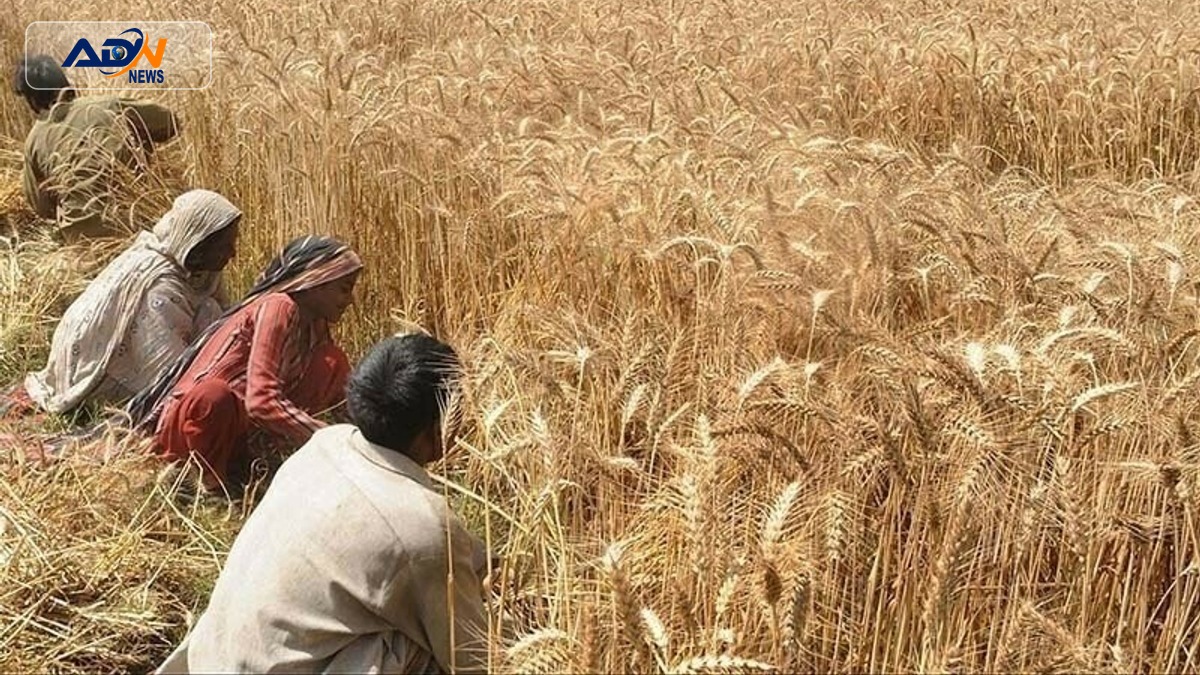
ISLAMABAD: A flawed wheat policy has significantly contributed to the ongoing flour crisis in Pakistan, affecting millions of citizens and the overall economy. The crisis has emerged due to mismanagement and inadequate supply chain strategies, leading to skyrocketing flour prices across the nation.
Experts highlight that the government’s failure to implement effective wheat procurement strategies has exacerbated the situation. According to a recent report, wheat production fell short of demand, prompting officials to scramble for imports. “The current policy lacks foresight and has put immense pressure on consumers,” said an agricultural economist.
This crisis not only threatens food security but also poses serious implications for the country’s economic stability. Rising flour prices have led to increased costs of basic food items, impacting low-income families the hardest. Analysts warn that if the situation is not addressed promptly, it could lead to widespread unrest and further economic decline.
In response to the crisis, the government is expected to hold an emergency meeting next week to discuss potential solutions, including revising procurement policies and exploring international wheat markets. Stakeholders are urging immediate action to stabilize the situation and ensure affordable access to flour for all citizens.