
Cyber Attacks on Refrigerators in Europe Lead to Massive Food Waste
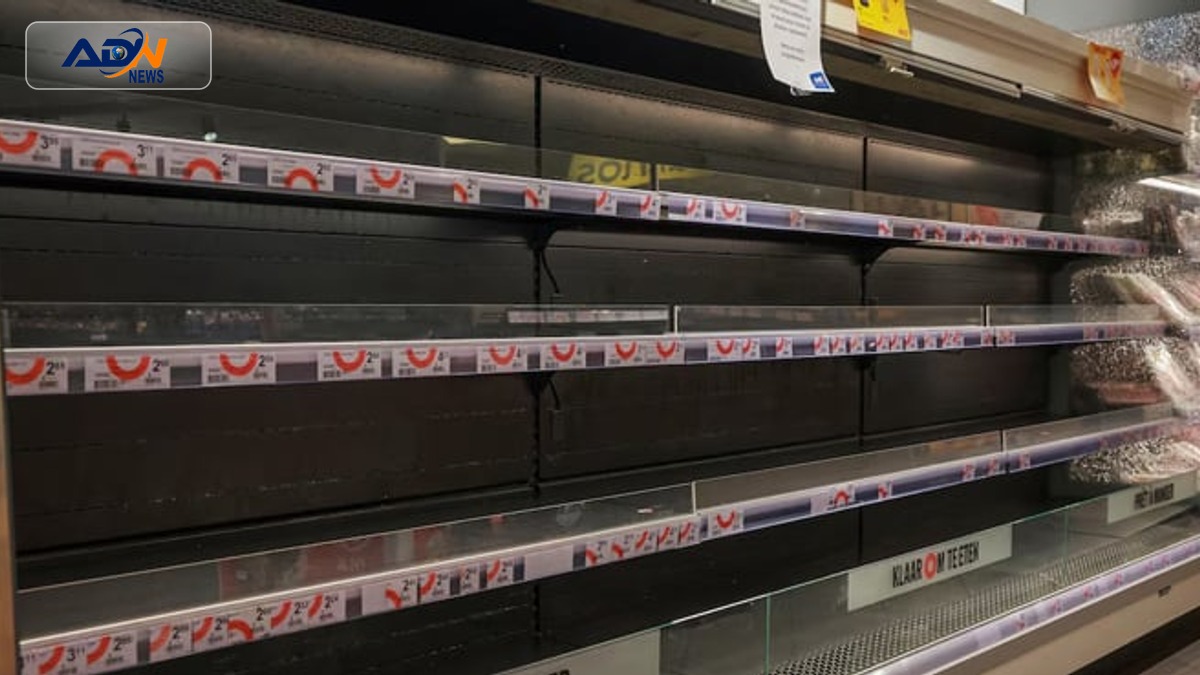
STOCKHOLM: A series of significant cyber attacks targeting hundreds of refrigerators across major European markets has resulted in alarming levels of food waste. Hackers have manipulated the temperature settings of supermarket fridges and freezers, raising them to between 50 and 70 degrees Celsius, leading to the spoilage of vast quantities of perishable goods.
The attacks have raised concerns among food safety authorities and supermarket chains, prompting urgent investigations. Officials have stated that the incidents, which began in recent weeks, are part of a broader trend of cyber threats against critical infrastructure. “This is not just a technical issue; it poses serious risks to public health and safety,” said a spokesperson from the European Food Safety Authority.
The implications of these attacks extend beyond immediate food waste, potentially affecting food supply chains and consumer prices across Europe. As supermarkets struggle to manage inventory losses, there are fears that increased costs could be passed on to consumers, exacerbating the ongoing inflationary pressures in the region.
In response to these incidents, European cybersecurity agencies are ramping up efforts to protect critical infrastructure. Meetings are scheduled among EU member states to discuss enhanced security protocols and share intelligence on cyber threats. Authorities are urging businesses to bolster their cybersecurity measures to prevent future attacks.