
New Index Reveals Countries’ Vulnerability to Fishing Conflicts
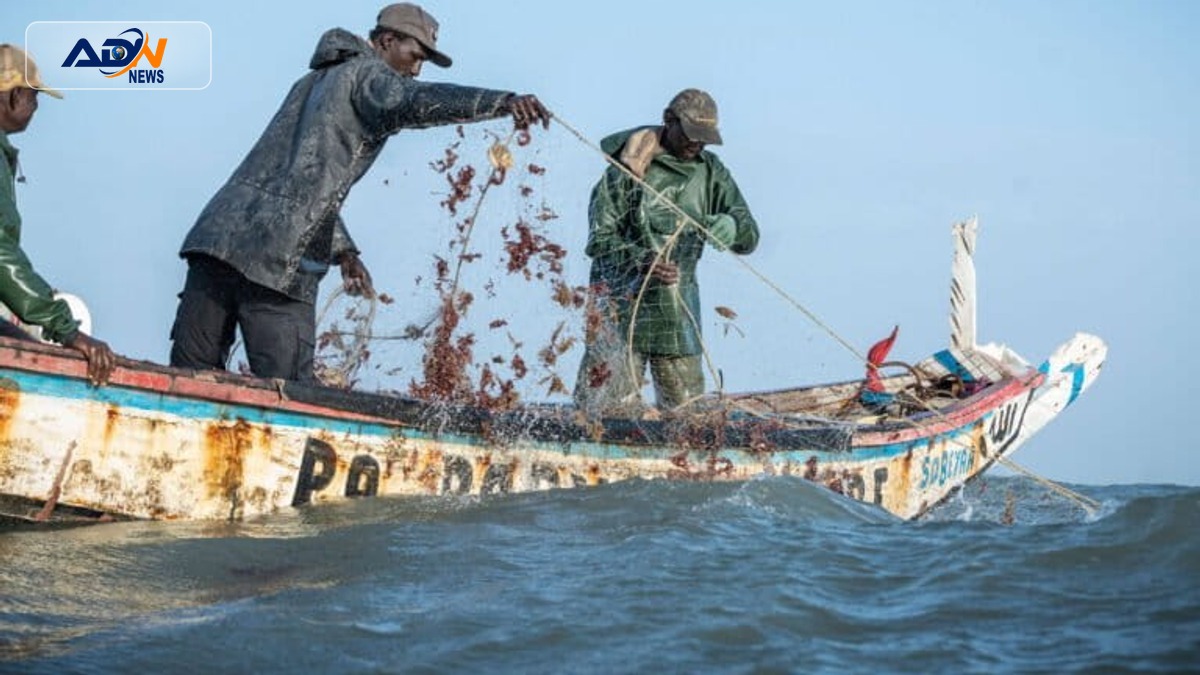
WASHINGTON: A newly launched index aims to assess the vulnerability of countries to conflicts between large and small-scale fishers, highlighting the growing tensions in the global fishing industry. This initiative, unveiled by environmental experts, seeks to provide a comprehensive framework for understanding the socio-economic impacts of fishing practices on local communities.
The index evaluates various factors, including economic reliance on fishing, regulatory frameworks, and historical conflict data. Experts emphasize that small-scale fishers, who often depend on local waters for their livelihoods, face increasing pressure from industrial fishing operations. “This index is crucial for policymakers to identify at-risk regions and implement strategies to mitigate conflicts,” stated Dr. Emily Thompson, a leading researcher in marine policy.
The implications of this index extend beyond the fishing industry, affecting food security, local economies, and international relations. As fishing stocks decline and competition intensifies, the potential for conflict increases, particularly in developing nations where communities rely heavily on fishing. The index serves as a call to action for governments and organizations to prioritize sustainable fishing practices and protect vulnerable populations.
Looking ahead, stakeholders are expected to convene at an international conference next month to discuss the findings of the index and explore collaborative solutions. This meeting will bring together policymakers, environmentalists, and fishing communities to address the urgent need for equitable resource management.