
Pakistan’s Exchange Rate Dilemma: A Market Price, Not a Policy Tool
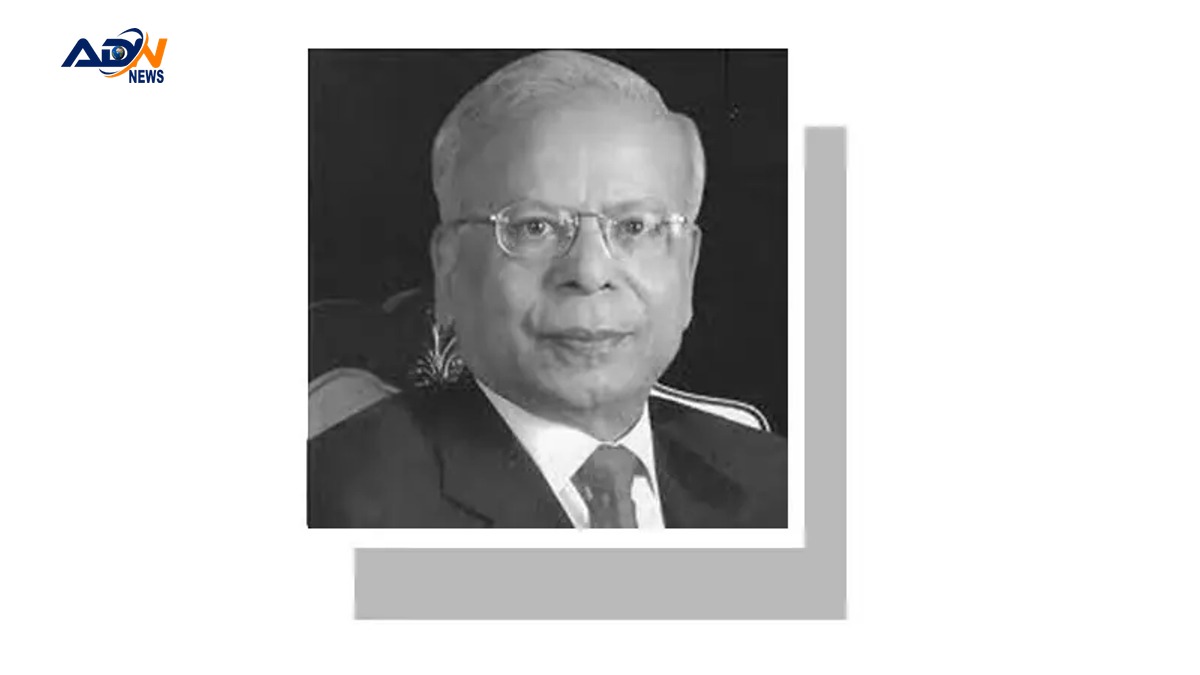
ISLAMABAD: The ongoing debate surrounding Pakistan’s exchange rate has intensified, with experts emphasizing that it is a market-driven price rather than a mere policy instrument. Nadeem ul Haque, in a recent article, highlighted that the fixation on the Real Effective Exchange Rate (REER) is misplaced, as the dynamics of currency valuation have evolved significantly since the collapse of the Bretton Woods system in the 1970s.
Haque argues that the exchange rate reflects a multitude of economic factors, including domestic inflation, productivity levels, and capital flows. He asserts, “The rupee does not weaken because someone decides to weaken it. It weakens because underlying conditions make the existing price unsustainable.” This perspective challenges the notion that policymakers can simply manipulate the exchange rate to achieve desired economic outcomes.
The REER serves a specific function by measuring nominal exchange rate changes adjusted for relative price movements against trading partners. However, an index reading of 100 does not signify an optimal exchange rate, nor does a deviation from this figure automatically indicate a problem. This nuanced understanding is crucial for both policymakers and the public as they navigate the complexities of the economy.
Looking ahead, it is essential for the government and economic analysts to engage in comprehensive discussions about the factors influencing the exchange rate. Upcoming economic forums and policy meetings will likely address these issues, aiming to foster a more stable economic environment for Pakistan.