
El Niño’s Effects Reach Southeast Asia, Threatening Primate Populations
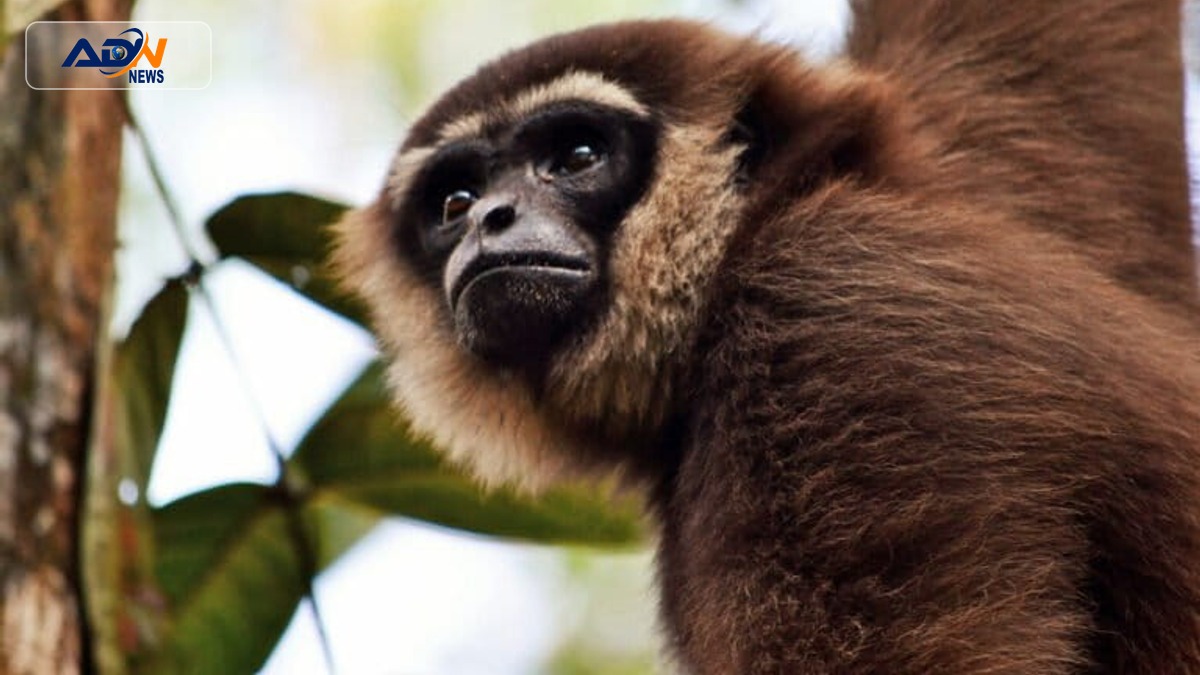
BANGKOK: The El Niño phenomenon is currently impacting primate populations across Southeast Asia, with significant implications for biodiversity and conservation efforts. Researchers warn that the climatic changes associated with El Niño are exacerbating habitat loss and food scarcity for these vulnerable species.
According to a recent study published by Mongabay, the effects of El Niño are particularly pronounced in regions where primate habitats are already under threat from deforestation and human encroachment. Dr. Jane Smith, a leading primatologist, stated, “The increased temperatures and altered rainfall patterns disrupt the delicate ecosystems that primates rely on, making survival increasingly difficult for many species. We must act swiftly to mitigate these impacts.”
This situation raises concerns not only for wildlife but also for local communities that depend on these ecosystems for their livelihoods. The decline in primate populations could disrupt ecological balance, affecting tourism and local economies that rely on biodiversity. Conservationists emphasize the need for immediate action to protect these species and their habitats.
Looking ahead, environmental organizations are planning a series of workshops and conferences aimed at addressing the challenges posed by El Niño. These initiatives will focus on collaborative strategies to enhance conservation efforts and promote sustainable practices among local communities.