
Human Activities Push Sri Lanka’s Wildlife into Urban Areas
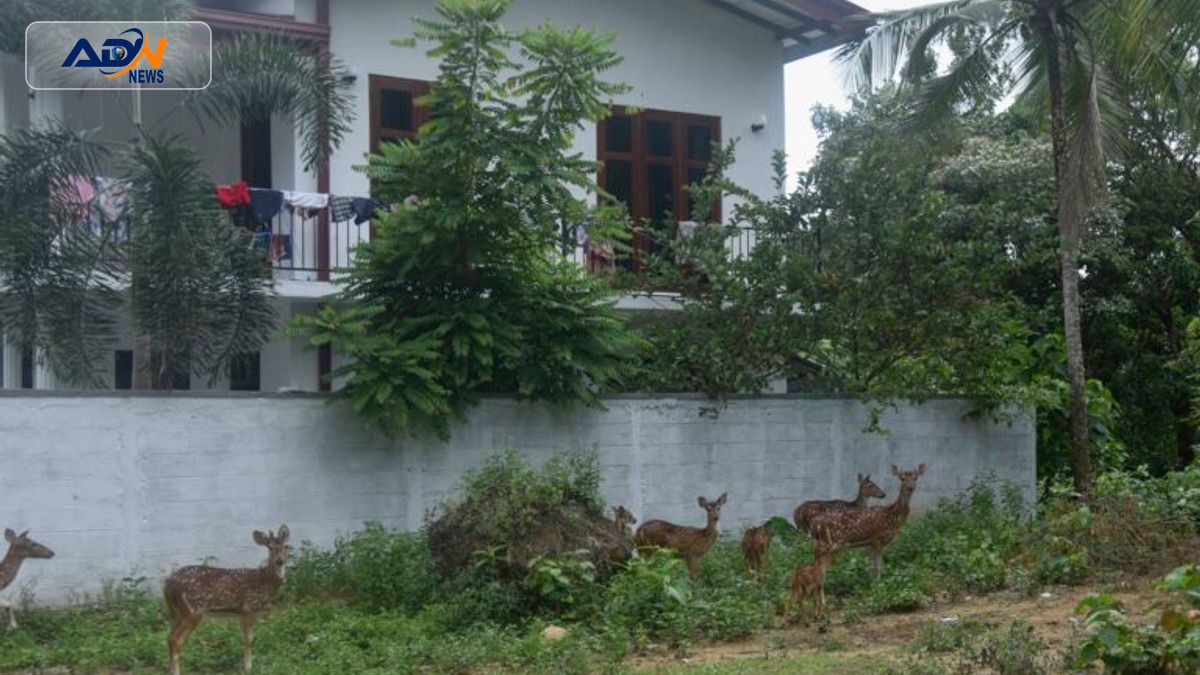
COLUMBO: In Sri Lanka, increasing human activities are driving wild animals into urban areas and suburbs, raising concerns about human-wildlife conflicts. This trend has been observed over recent years, particularly as deforestation and habitat destruction escalate due to urban expansion and agricultural practices.
Experts highlight that species such as elephants, leopards, and monkeys are increasingly venturing into populated areas in search of food and shelter. According to a recent study by the Wildlife Conservation Society, incidents of wildlife entering cities have surged by over 30% in the past five years, prompting calls for urgent action from conservationists and government officials.
This phenomenon poses significant risks not only to wildlife but also to human safety and property. As animals encroach on urban spaces, the potential for dangerous encounters increases, leading to injuries and fatalities. Moreover, the economic implications are profound, as local communities face damages to crops and livestock, which can threaten their livelihoods.
In response to these challenges, the Sri Lankan government is expected to convene a series of meetings with environmental agencies and local authorities to devise strategies for mitigating human-wildlife conflicts. Proposed measures include creating wildlife corridors, enhancing public awareness campaigns, and implementing stricter regulations on land use to protect natural habitats.