
Zambia Farm Closes Food Waste Loop From Farm to Airline Plates
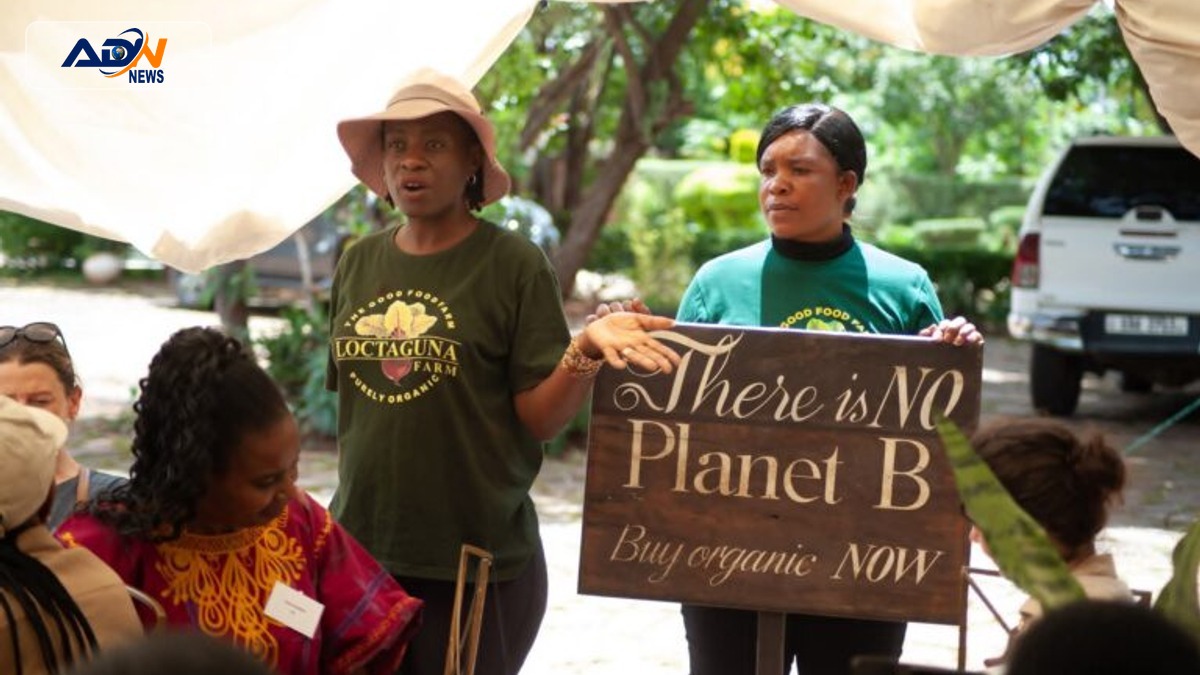
LUSAKA: A pioneering agricultural initiative in Zambia has successfully demonstrated a circular economy model by closing its food-waste loop, supplying sustainable produce directly from local farms to international airline catering services. The comprehensive project integrates modern farming techniques with rigorous waste management protocols, transforming organic leftovers into valuable agricultural inputs while significantly reducing the carbon footprint associated with commercial aviation catering logistics.
Agricultural authorities and environmental experts have praised the project for addressing systemic inefficiencies in the food supply chain. By utilizing composted organic waste to enrich soil fertility and powering processing units through renewable energy sources, the Zambian enterprise has established a benchmark for commercial sustainability in southern Africa. Industry stakeholders report that the initiative not only cuts down landfill contributions but also guarantees traceable, high-quality organic produce for high-volume consumers like commercial airlines.
This innovative approach carries broader implications for regional food security, sustainable trade, and corporate environmental responsibility. As international aviation standards increasingly demand verified green supply chains, developing nations have a unique opportunity to position themselves as leaders in eco-friendly agricultural exports. Economists note that scaling such models across the region could attract substantial green financing and foster climate-resilient economic growth, proving that commercial viability and environmental stewardship can successfully go hand in hand.
Looking ahead, project organizers and agricultural ministry officials plan to conduct comprehensive impact assessments to evaluate scalability potential across other provinces. Discussions are currently underway with regional transport syndicates and international regulatory bodies to draft standardized frameworks for circular food economies, with pilot expansions expected to roll out by the end of the upcoming fiscal quarter.