
Gaza Converted Into Toxic Wasteland Amid Ongoing Israeli Military Operations
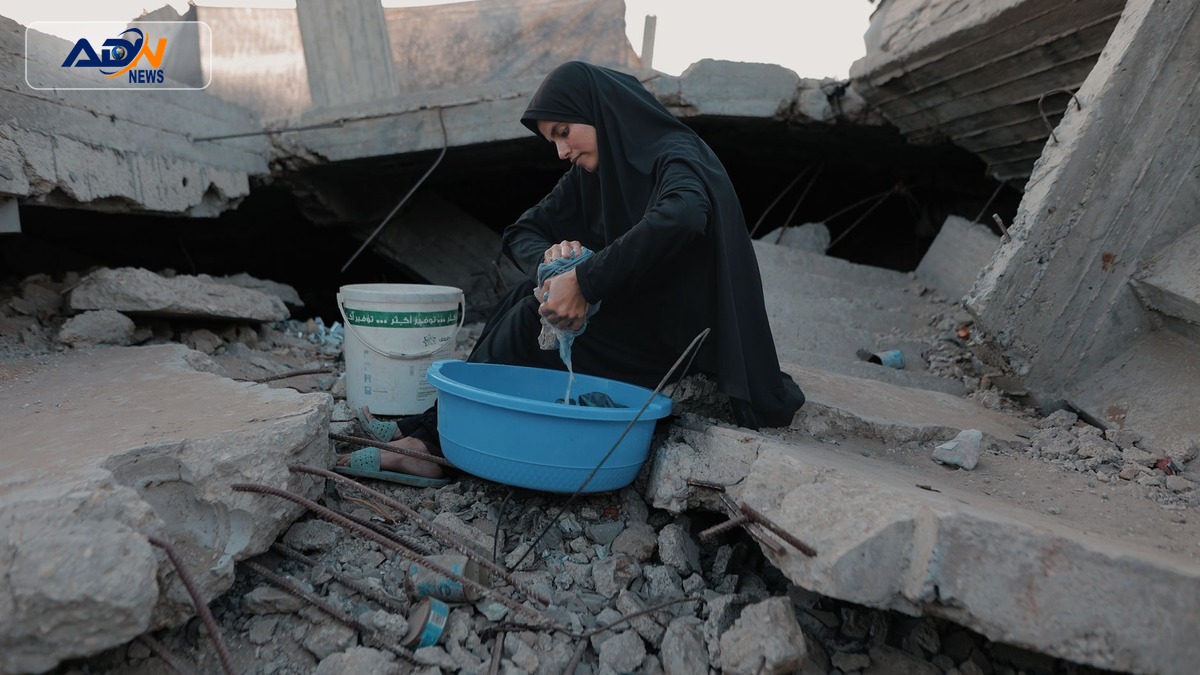
LONDON: A damning new report released by international charity Oxfam reveals that relentless military attacks have effectively transformed the Gaza Strip into a toxic wasteland, posing severe and long-term hazards to human health and the local ecosystem. The comprehensive assessment highlights widespread environmental devastation, indicating clear signs of severe contamination spanning across almost every corner of the besieged enclave as a direct consequence of the ongoing conflict and relentless bombardments.
According to the findings, the destruction of critical infrastructure, including municipal water systems, sanitation facilities, and waste management plants, has unleashed hazardous materials and untreated sewage across densely populated areas. Environmental experts note that the accumulation of heavy rubble, unexploded ordnance, and chemical residues has severely compromised the soil and groundwater reserves, creating an unprecedented ecological crisis that compounds the daily humanitarian suffering endured by the civilian population.
The broader implications of this environmental catastrophe extend far beyond immediate survival, threatening to render large parts of Gaza uninhabitable for generations to come. Public health specialists warn that exposure to toxic pollutants and contaminated water sources significantly elevates the risk of widespread disease outbreaks, chronic illnesses, and severe developmental issues among children. International bodies stress that rehabilitation efforts will require massive global intervention, billions of dollars in funding, and decades of specialized ecological cleanup once hostilities eventually cease.
In response to the alarming report, humanitarian organizations and international environmental agencies are stepping up calls for an immediate cessation of hostilities to allow independent experts access for comprehensive soil and water testing. Furthermore, global stakeholders are expected to deliberate on emergency environmental remediation strategies during upcoming international summits, aiming to mobilize resources for the eventual restoration of basic ecological safety in the devastated region.