
FPCCI Urges Private Wheat Imports to Avert Severe Shortage in Sindh
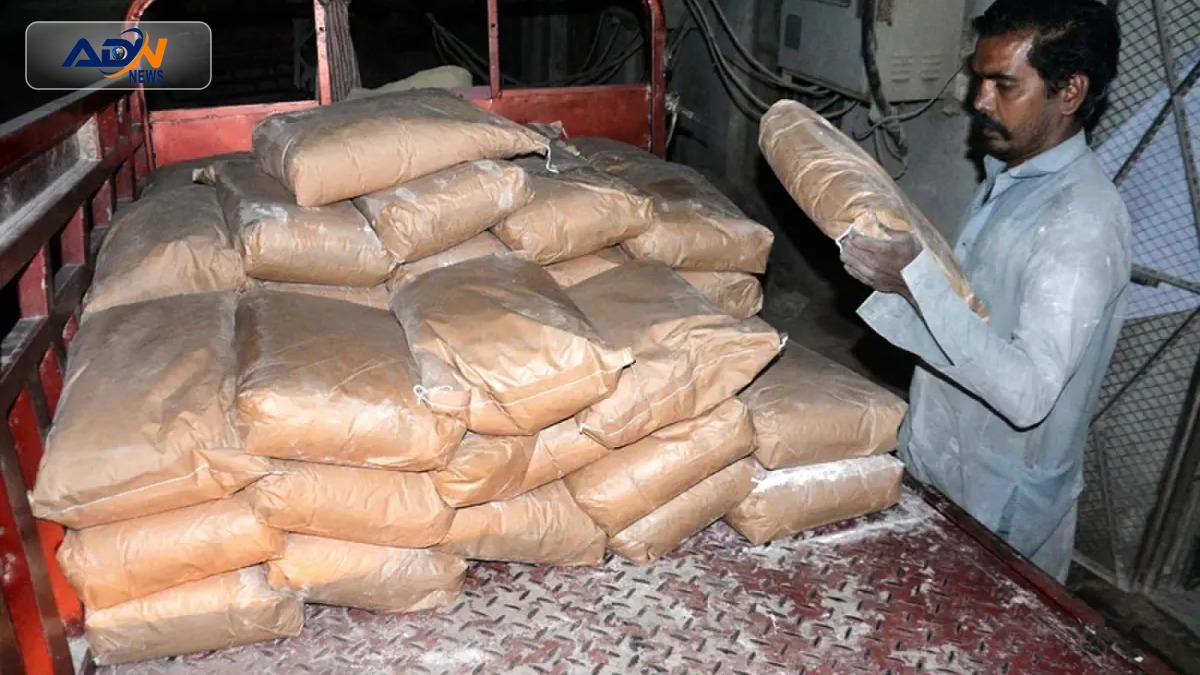
HYDERABAD: Amid mounting concerns over food security and supply chain disruptions, a senior official of the Federation of Pakistan Chambers of Commerce and Industry (FPCCI) has urged the federal government to immediately permit private wheat imports alongside public procurement. Highlighting the gravity of the situation, trade leaders warned that the ongoing grain shortage has become far too severe for the Trading Corporation of Pakistan to manage single-handedly, threatening staple availability across major urban and rural centers in Sindh.
Adeel Siddiqui, a member of the FPCCI Executive Committee from Hyderabad, revealed that local flour grinders and traditional chakki owners had initiated a strike following critical supply deficits from government godowns. These entities reported being unable to secure sufficient wheat quotas to sustain daily grinding operations, directly impacting households that predominantly rely on traditional flour mills for their daily nutritional needs rather than commercial alternatives.
The market distortion has exerted immense pressure on consumer purchasing power, with data indicating high retail volatility prior to recent state interventions. While market prices had spiked earlier, the provincial government recently stepped in to release subsidized wheat to roller flour mills at controlled rates, aiming to stabilize the retail price of flour. However, industry stakeholders argue that administrative price-fixing alone cannot resolve a fundamental supply deficit without robust private sector participation to boost overall market reserves.
Looking ahead, business leaders and flour mill associations are pressing for urgent consultations with provincial food authorities to recalibrate grain distribution frameworks. Unless regulatory barriers on private imports are eased swiftly to supplement dwindling public stocks, markets could face renewed volatility, forcing policymakers to adopt more aggressive measures to safeguard food security.