
PML-N Reaches Out to PPP to Secure Support Ahead of Parliament Sessions
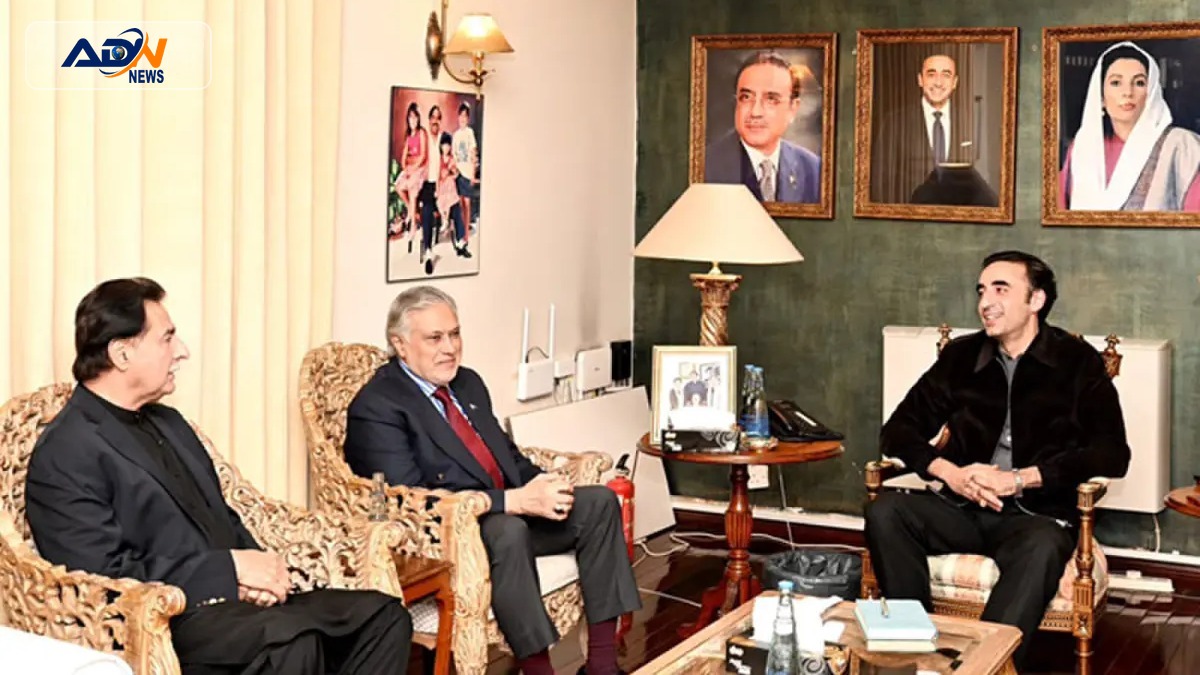
ISLAMABAD: The ruling Pakistan Muslim League-Nawaz (PML-N) on Saturday initiated high-level contact with its key coalition partner, the Pakistan Peoples Party (PPP), to build legislative consensus and ensure smooth proceedings during the upcoming sessions of the National Assembly and Senate. A government delegation led by Deputy Prime Minister Ishaq Dar held crucial discussions with PPP Chairman Bilawal Bhutto-Zardari in Islamabad, coming amidst a backdrop of escalating political friction over administrative policies and constitutional debates.
During the meeting, the PML-N leadership sought firm guarantees of cooperation for upcoming governmental legislation. However, PPP insiders disclosed that the party has explicitly ruled out granting blanket support to the ruling coalition, maintaining that every piece of legislation will be meticulously scrutinized and assessed strictly on its own merit. Concurrently, President Asif Ali Zardari held a separate consultative session in Lahore with Interior Minister Mohsin Naqvi, discussing pressing security matters, political strategy, and the intensifying nationwide discourse surrounding a potential referendum on the creation of new administrative provinces.
This political outreach underscores the fragile nature of legislative alliance-building in Pakistan’s bicameral parliament, where the ruling administration relies heavily on coalition partners to pass critical laws and economic reforms. The ongoing tensions are further compounded by the government’s recent maneuvers concerning opposition factions, prompting the PPP to actively distance itself from unilateral policy decisions. In a related political move, Bilawal Bhutto-Zardari also reached out via telephone to Jamiat Ulema-i-Islam-Fazl (JUI-F) chief Maulana Fazlur Rehman to express political solidarity amid swirling controversies.
As parliamentary proceedings draw closer, both political parties are expected to hold further rounds of internal and cross-party consultations to hammer out differences. Political analysts suggest that the ruling coalition must successfully reconcile legislative priorities with the PPP’s insistence on independent oversight if it hopes to avoid parliamentary gridlock and maintain long-term stability.