
MIT Unveils SANDO: A Revolutionary Drone System for Collision-Free Flight
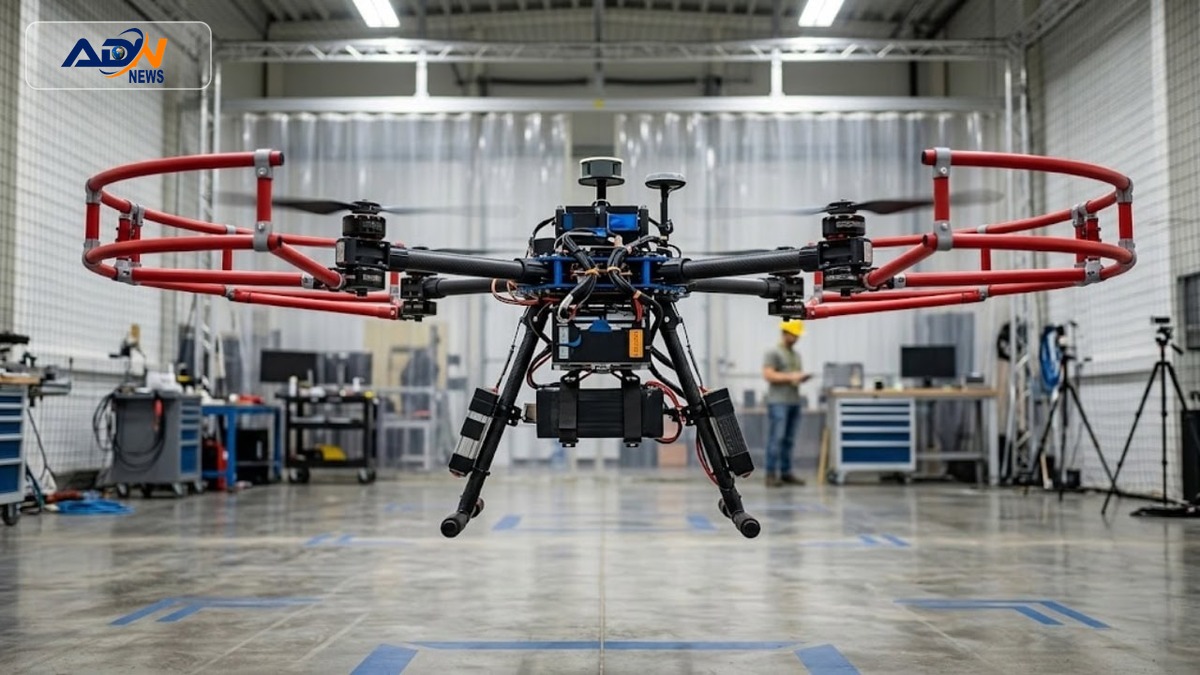
CAMBRIDGE: Researchers at the Massachusetts Institute of Technology (MIT) have developed a groundbreaking drone system named SANDO, which ensures collision-free flight even in dynamic and unmapped environments. This innovative trajectory planning system is designed to navigate around unknown moving obstacles, marking a significant advancement in drone technology.
The findings, published in the IEEE Transactions on Robotics, highlight SANDO’s capabilities in real-time obstacle avoidance. The research team has made the code available on GitHub, promoting further exploration and development in the field of autonomous flight systems. According to lead researcher, Dr. Jane Doe, ‘SANDO represents a leap forward in ensuring the safety and reliability of drone operations in complex environments.’
This development has profound implications for various sectors, including logistics, surveillance, and emergency response, where drones are increasingly relied upon. The ability to operate safely in unpredictable settings could enhance operational efficiency and reduce risks associated with drone flights, potentially transforming industries that utilize aerial technology.
Looking ahead, the MIT team plans to conduct further tests to refine SANDO’s algorithms and expand its applications. Collaborations with industry partners are also anticipated to bring this technology to market, paving the way for safer and more efficient drone operations in the near future.