
Chinook Salmon Thrive as Four US Dams Removed, Restoring Historic Habitat
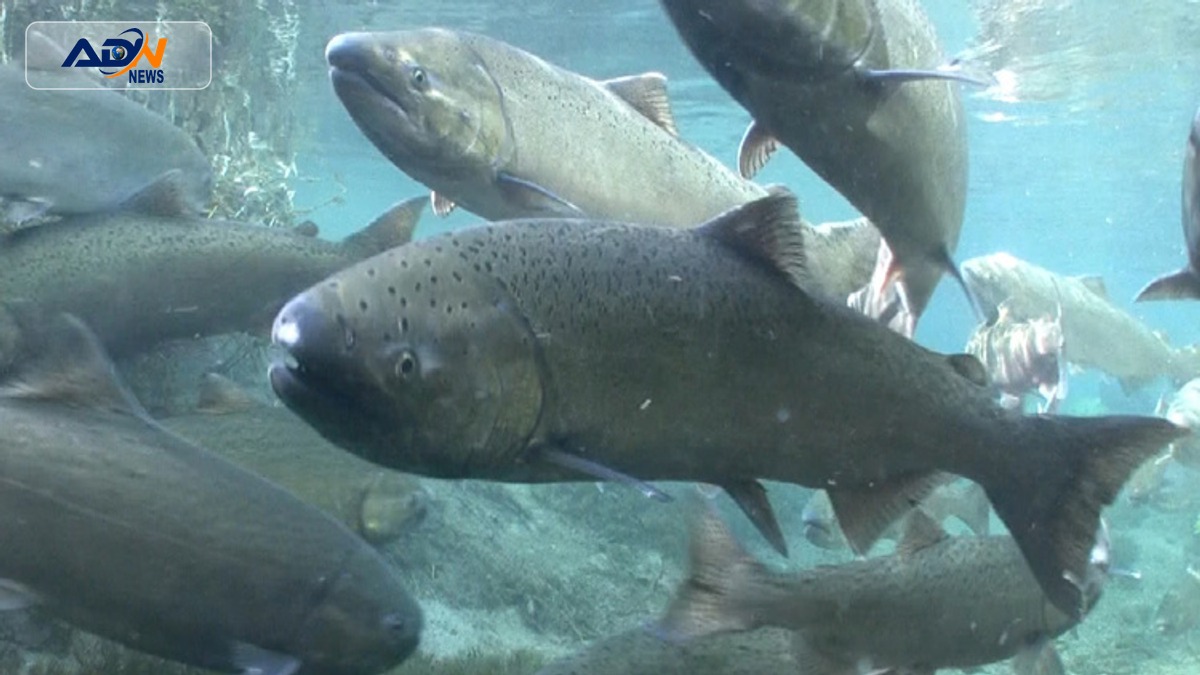
WASHINGTON: The removal of four dams in the United States has led to the remarkable return of Chinook salmon to their historical habitats, marking a significant victory for environmental restoration efforts. This development, which took place over the past year, aims to revive the natural ecosystems of the Pacific Northwest, where salmon populations have drastically declined due to habitat loss.
Officials from the National Oceanic and Atmospheric Administration (NOAA) hailed the dam removals as a crucial step in restoring the salmon’s migratory routes. “This is a monumental moment for our rivers and the species that depend on them,” said NOAA Administrator Rick Spinrad. The dams, which were primarily used for hydroelectric power, have been replaced with sustainable energy solutions, allowing for the natural flow of rivers and the revival of aquatic life.
The return of Chinook salmon not only signifies ecological restoration but also has broader implications for local economies and indigenous communities that rely on salmon fishing. The resurgence of this species is expected to enhance biodiversity and improve the health of river ecosystems, which have suffered from decades of industrialization and damming.
Looking ahead, conservationists and local governments are planning further initiatives to monitor the salmon population and ensure the sustainability of their habitats. Upcoming meetings are scheduled to discuss additional restoration projects and the potential removal of more barriers that hinder fish migration.