
Exploring the Unique Tail of Iran’s Spider-Tailed Horned Viper
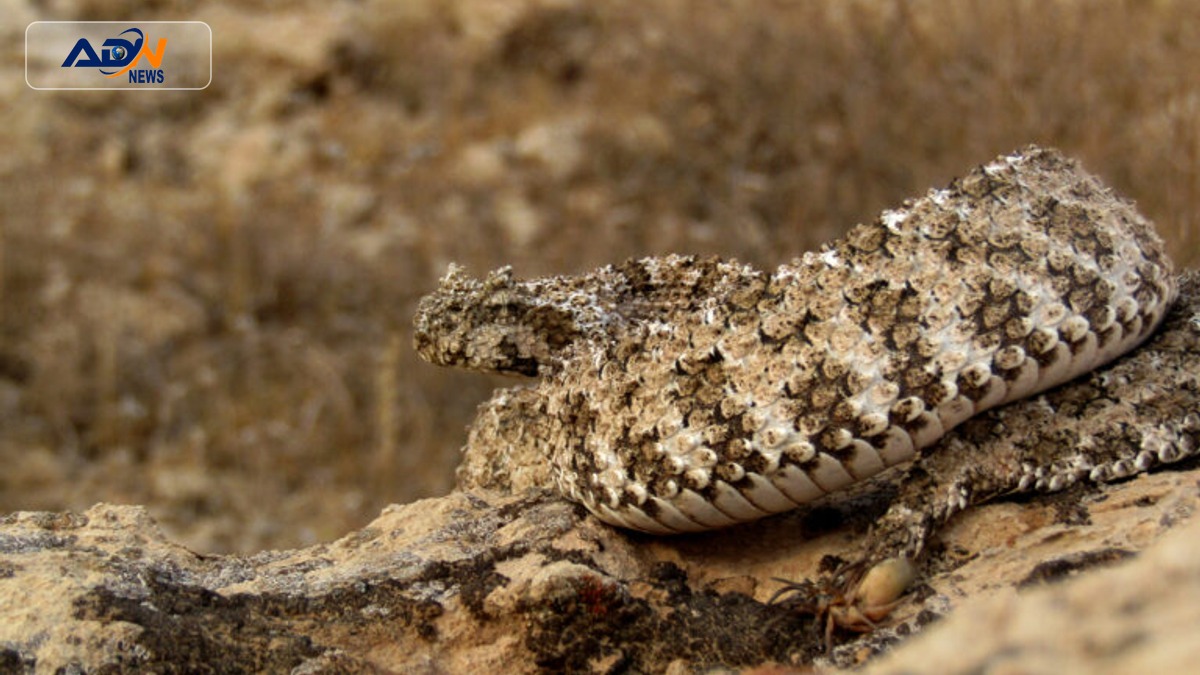
TEHRAN: The spider-tailed horned viper, a remarkable species native to Iran, captivates researchers and nature enthusiasts alike with its unique tail that mimics a spider, aiding in its hunting strategy. This fascinating reptile, found primarily in the arid regions of western Iran, showcases an extraordinary adaptation that highlights the intricate relationships within ecosystems.
Recent studies reveal that the viper’s tail, which resembles a spider, attracts unsuspecting prey, allowing the snake to strike with precision. Dr. Ahmad Rezaei, a herpetologist at Tehran University, states, “The spider-tailed horned viper is a prime example of evolutionary innovation, demonstrating how species adapt to their environments for survival.” This adaptation not only enhances its hunting success but also raises awareness about the importance of biodiversity in Iran’s fragile ecosystems.
The implications of this unique adaptation extend beyond the species itself, as it underscores the need for conservation efforts in Iran. As habitat loss and climate change threaten many species, understanding the ecological significance of the spider-tailed horned viper can inform strategies to protect its habitat and promote biodiversity.
Looking ahead, conservationists are calling for increased research and protection measures for the spider-tailed horned viper and its habitat. Upcoming initiatives include habitat restoration projects and educational campaigns aimed at raising awareness about the importance of preserving this unique species and its environment.