
Anthropic Pitches Landmark AI Safety Bill to US Lawmakers Amid Risks
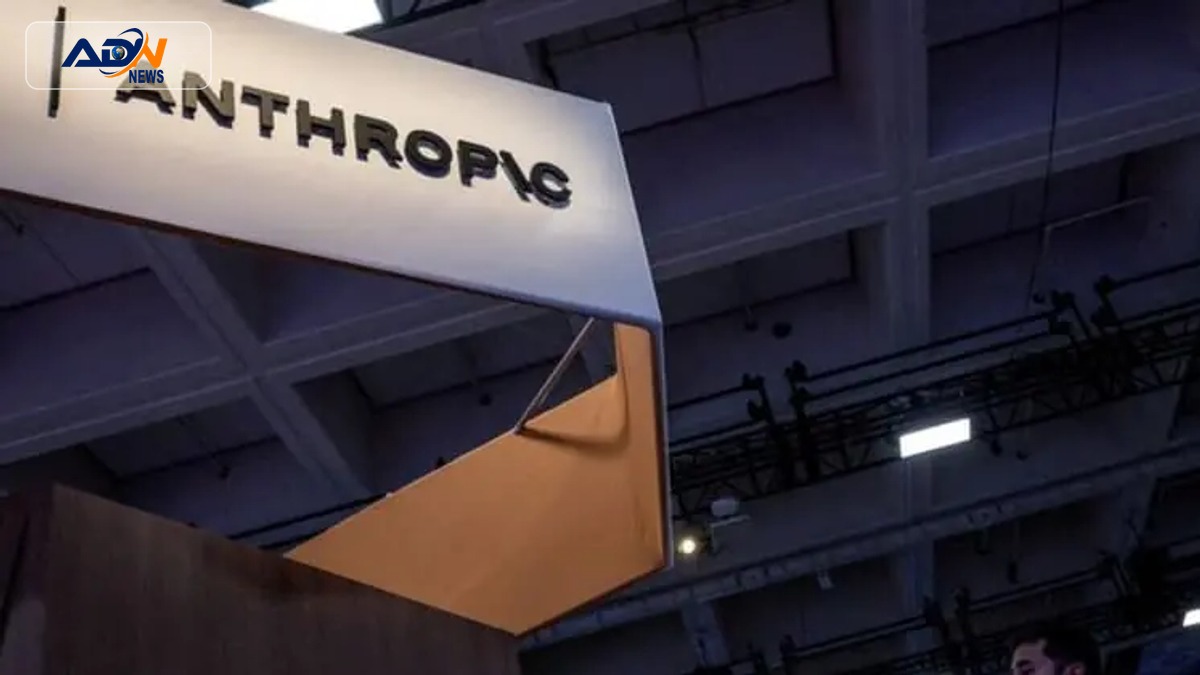
WASHINGTON: Artificial intelligence developer Anthropic has submitted a comprehensive draft bill to lawmakers on Capitol Hill aimed at establishing federal guardrails over frontier AI systems, seeking to bridge a critical legislative void on catastrophic digital hazards. The initiative from the creator of the popular assistant Claude represents an unprecedented move by a frontier AI lab to proactively author statutory boundaries for its rapidly advancing industry.
Under the provisions of the circulated draft proposal, the federal government would be granted the legal power to intercede and block the deployment or distribution of powerful models capable of triggering severe real-world harm. Specifically, federal authorities could halt an algorithm’s release if credible evidence demonstrates an imminent threat of killing or severely injuring more than 50 individuals, or precipitating financial devastation exceeding $1 billion. Any enforcement action would require prior validation and formal approval from a federal judge to prevent executive overreach.
An Anthropic spokesperson affirmed that the draft legislation is designed to furnish Washington with precise statutory mechanisms to deter dangerous rollouts without choking foundational technological innovation. The proposal arrives amid heightened anxieties among global policymakers, security agencies, and researchers regarding the weaponisation of generative algorithms, deepfake-driven disinformation, and autonomous cyber operations threatening critical national infrastructure.
While congressional leaders across party lines have held repeated hearings scrutinising artificial intelligence, comprehensive federal legislation has stalled due to competing interests between national security concerns and silicon valley lobbying. As debates accelerate, Anthropic’s framework is expected to trigger intensive bipartisan deliberations in congressional committees, testing lawmakers’ resolve to codify enforceable liability standards before the next generation of supercomputing models goes live.