
Maryam Nawaz Demands Bureaucratic Reforms, Slams Superficial Work
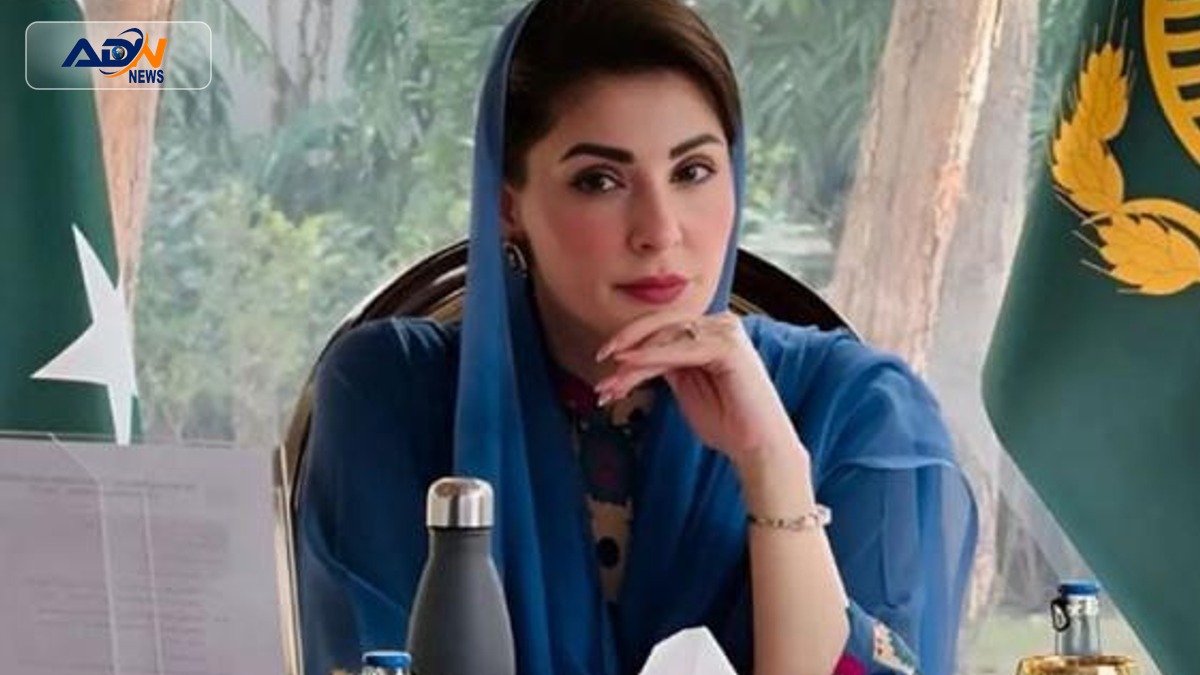
LAHORE: Punjab Chief Minister Maryam Nawaz has issued a stern warning to civil servants against administrative apathy, emphasizing that merely marking daily office attendance and signing easy routine paperwork does not constitute true public service. Speaking at a high-level administrative meeting in Lahore, the chief minister stressed the urgent need for a cultural shift within the provincial bureaucracy toward proactive governance, transparency, and high-impact policy execution across all state departments.
Addressing senior bureaucrats and provincial officials, Maryam Nawaz asserted that public office holders must tackle complex socio-economic challenges rather than bypassing demanding administrative tasks. “Simply showing up to the office, avoiding tough decisions, and approving effortless files is not what public service demands,” she stated. She directed provincial secretaries and district officers to adopt measurable performance targets, streamline administrative workflows, and prioritize public welfare projects that directly benefit ordinary citizens.
The Chief Minister’s strong stance comes amid growing demands for structural reforms within Pakistan’s provincial civil services, where bureaucratic delays and institutional red tape have historically hindered developmental progress. Political analysts view this rebuke as part of the Punjab government’s broader strategy to enhance institutional accountability, eliminate official complacency, and restore public trust in state institutions through rigorous performance evaluations and merit-based standards.
Going forward, the provincial administration is set to introduce a modernized key performance indicator framework to evaluate public servants, linking career advancements directly to efficiency and tangible results. Departments failing to meet performance benchmarks will face immediate executive reviews, while high-performing officers will be incentivized, signaling a decisive shift toward performance-driven governance in Punjab.