
Punjab Farmers Embrace Double-Rice Cropping Amid Regulatory Challenges
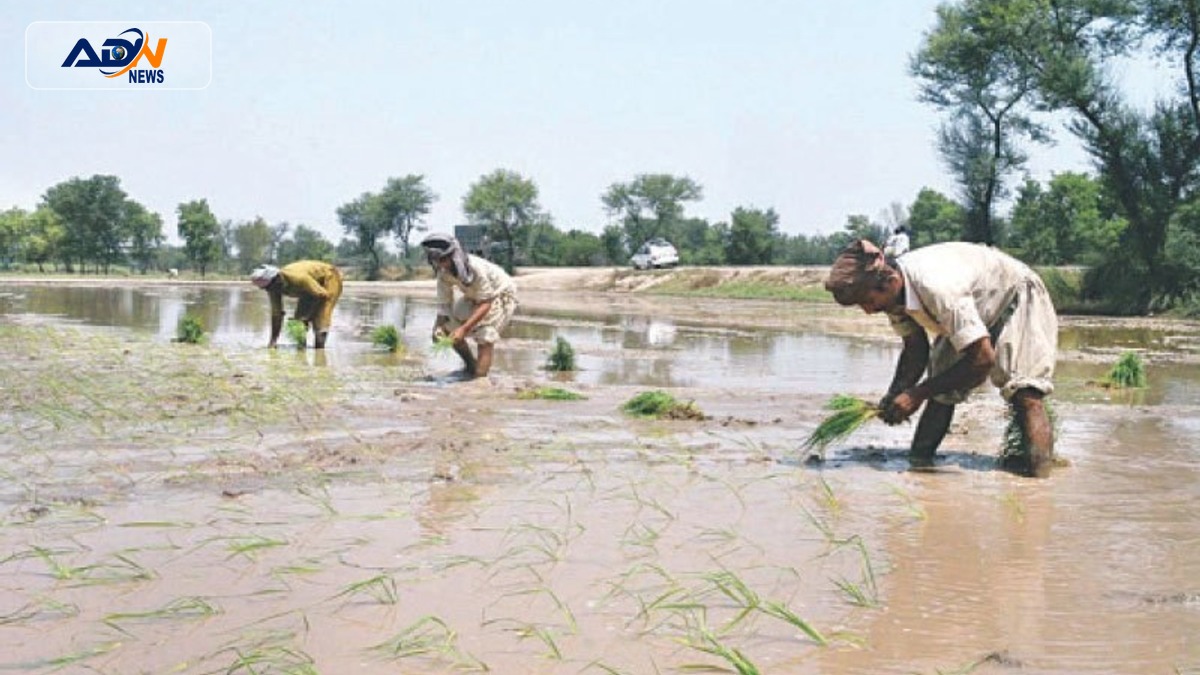
LAHORE: Farmers in Punjab are increasingly adopting double-rice cropping, growing two sequential rice crops in a year, despite longstanding government regulations prohibiting early rice nursery cultivation. This shift, driven by the introduction of short-duration basmati and hybrid rice varieties, poses significant challenges to the region’s agricultural sustainability.
For decades, the Punjab government enforced a ban on raising rice nurseries before May 20 under the Punjab Agricultural Pests Ordinance, 1959. However, lax enforcement and the availability of new rice varieties have led farmers to cultivate an early crop from March-April to June-July, followed by the main Kharif crop from July to October. This practice not only increases pest populations but also intensifies groundwater extraction during the peak summer months.
The rise of double-rice cropping highlights a disconnect between the government’s regulatory framework and the evolving agricultural practices. In 2024, this trend faced a setback when imported hybrid rice varieties struggled to survive the extreme temperatures of May and June, resulting in significant yield losses due to pollination failures.
Looking ahead, experts urge the Punjab government to reassess its agricultural policies to align with current farming practices and climate realities. Stakeholders are calling for a comprehensive review of regulations to ensure sustainable agricultural development while safeguarding the livelihoods of farmers.