
IMF Commends Pakistan’s Oil Crisis Management, Calls for Gas Sector Reforms
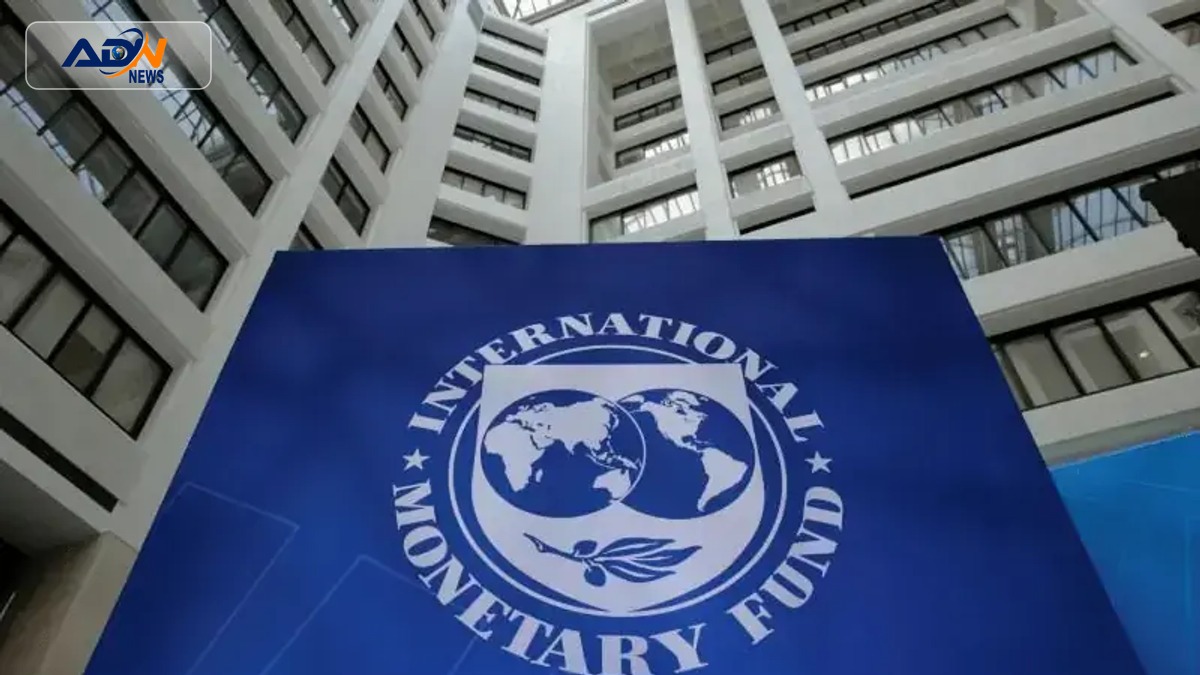
ISLAMABAD: The International Monetary Fund (IMF) has praised Pakistan for effectively managing the recent oil crisis, avoiding supply disruptions and additional budgetary burdens despite regional challenges stemming from the ongoing US-Iran conflict. The IMF emphasized the need for the government to accelerate reforms in the gas sector, particularly in addressing the burgeoning circular debt and implementing targeted subsidies for low-income consumers.
In discussions with Pakistani authorities, the IMF acknowledged improvements in the power sector, noting enhanced recovery rates and reduced losses. However, it urged a swift transition to a subsidy model that would provide direct financial assistance to the most vulnerable households through the Benazir Income Support Programme (BISP). Initial assessments revealed that the gas sector is not adequately prepared for such a shift due to data and ownership issues.
This call for reform comes at a critical time as Pakistan grapples with economic challenges, including a circular debt in the gas sector estimated at Rs3.6 trillion. The IMF’s recommendations highlight the importance of stabilizing the energy sector, which is vital for the country’s economic recovery and growth. Effective management of gas subsidies could alleviate financial pressures on low-income families, thereby fostering greater economic stability.
Looking ahead, the Pakistani government is set to engage in further discussions with the IMF next week to explore options for direct cash support for deserving power consumers. These talks are expected to shape the future of energy subsidies and address the pressing issues of circular debt in the gas sector.