
El Niño’s Intensifying Effects on Global Weather Patterns Unfold
LONDON: The strongest El Niño phenomenon on record is currently intensifying, leading to significant alterations in weather patterns across the globe. This climatic event, which typically occurs every few years, is characterized by the warming of ocean surface temperatures in the central and eastern Pacific, profoundly affecting global weather systems.
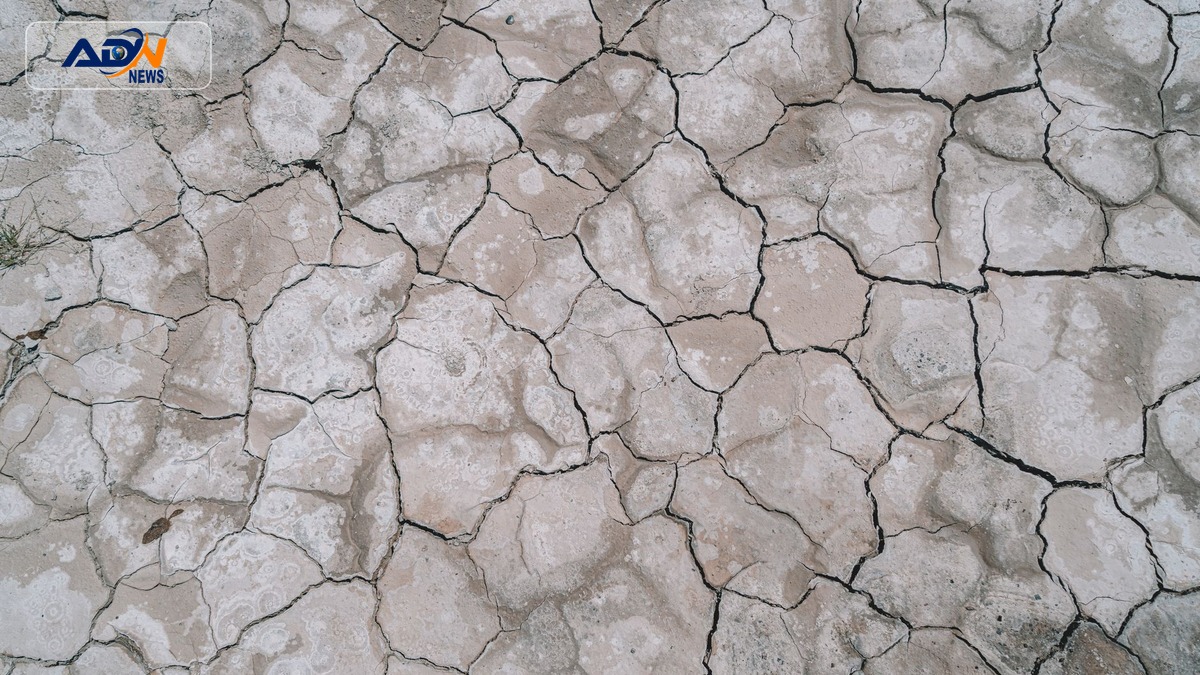
Experts, including climatologist Sarah Keith-Lucas, emphasize that the ongoing El Niño is already manifesting in various regions, causing extreme weather events such as droughts, floods, and unusual temperature fluctuations. The World Meteorological Organization (WMO) has reported that countries like Indonesia and Australia are experiencing severe droughts, while parts of South America are facing heavy rainfall and flooding.
The implications of these changes are far-reaching. For citizens, this means increased risks of food insecurity due to crop failures in drought-stricken areas and potential economic downturns in regions reliant on agriculture. Additionally, the heightened frequency of extreme weather events could strain emergency services and infrastructure, prompting governments to reassess their disaster preparedness strategies.
Looking ahead, meteorologists anticipate that the effects of this El Niño will continue to evolve, with potential international discussions on climate adaptation strategies expected in upcoming global forums. The WMO is set to release further assessments on the situation, providing critical data for policymakers and communities worldwide.