
Rare Lake Loss Highlights Climate Change Impact in Canadian Arctic
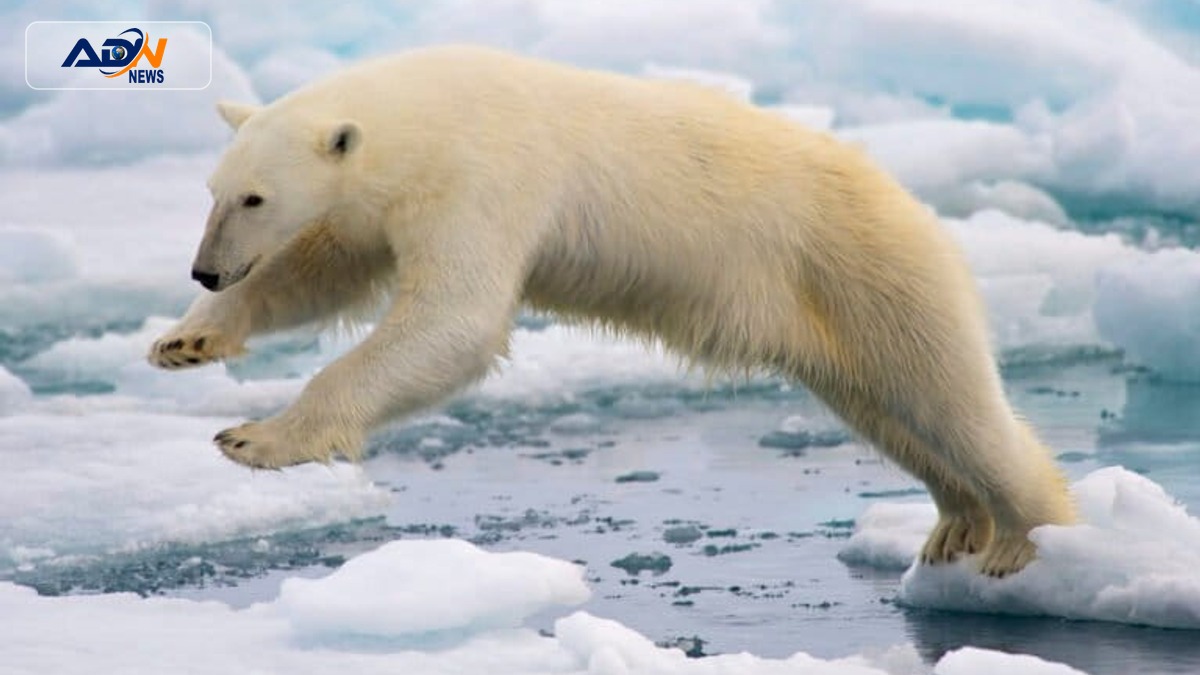
OTTAWA: The recent disappearance of a rare lake in the Canadian Arctic underscores the severe impacts of climate change on this vital ecosystem. Scientists report that rising temperatures have led to significant alterations in the region’s hydrology, raising alarms about the future of Arctic environments.
According to a study published by Mongabay Environment News, the lake’s loss is a stark indicator of how warming temperatures are reshaping the Arctic landscape. Researchers emphasize that the lake served as a crucial habitat for various species and played a significant role in the local climate regulation. “This is not just a loss of water; it’s a loss of biodiversity and a warning sign for the planet,” stated Dr. Emily Carter, a leading climate scientist involved in the study.
The implications of this environmental change extend beyond the Arctic. As the planet warms, the melting of Arctic ice contributes to rising sea levels, which can affect coastal communities worldwide. Furthermore, the loss of such ecosystems can disrupt global weather patterns, leading to unpredictable climate events that impact agriculture, water supply, and human health.
Looking ahead, scientists are calling for immediate action to address climate change and its effects on vulnerable ecosystems. Upcoming international climate conferences will focus on strategies to mitigate these impacts and promote sustainable practices. The urgency of these discussions is underscored by the ongoing changes observed in the Arctic, which serve as a critical barometer for global climate health.