
Lahore Ranks as Second Most Polluted City Globally as Smog Deepens
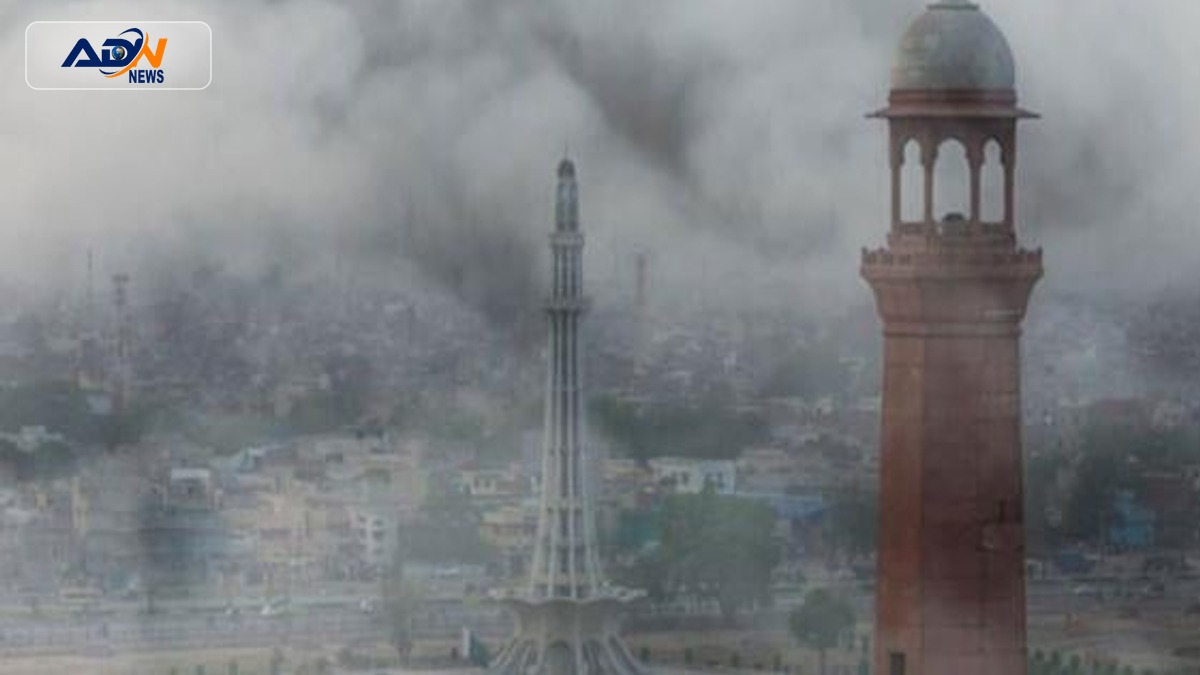
LAHORE: Lahore has been declared the second most polluted city in the world as severe toxic smog continues to engulf the provincial capital, driving the local Air Quality Index (AQI) to hazardous levels. Environmental monitoring platforms reported alarming concentrations of airborne pollutants across multiple metropolitan sectors early on Wednesday, posing grave health risks to millions of urban residents.
Data recorded by international air monitoring agencies placed Lahore’s AQI deep into dangerous territory, trailing closely behind the world’s worst-affected metropolitan region. Dense thick smog drastically curtailed visibility along key transport arteries and major highways during peak morning commuting hours. Medical professionals across the city warned that high levels of fine particulate matter (PM2.5) pose acute risks of respiratory ailments, throat infections, eye irritation, and long-term cardiovascular complications, particularly among children, elderly citizens, and outdoor workers.
The persistent degradation of air quality in Punjab’s provincial capital underscores deep-seated structural issues, including vehicular emissions, industrial discharge, illegal crop residue burning, and unmonitored construction dust. Despite provincial interventions—such as the deployment of specialized anti-smog squads and temporary bans on polluting brick kilns—the city routinely surges to the top of global pollution charts during late autumn and winter. The ongoing crisis threatens to overburden local healthcare facilities and disrupt regional economic productivity.
In light of the worsening air quality, the Punjab Environment Protection Department alongside the district administration is evaluating emergency regulatory measures. Officials are considering reduced operational hours for commercial markets, localized vehicular restrictions, and potential school schedule adjustments if weather conditions persist. Environmental experts continue to urge provincial authorities to adopt a comprehensive, multi-year green transition strategy to effectively curb seasonal air pollution.