
AI Transforms Translation Industry, Yet Human Expertise Remains Crucial
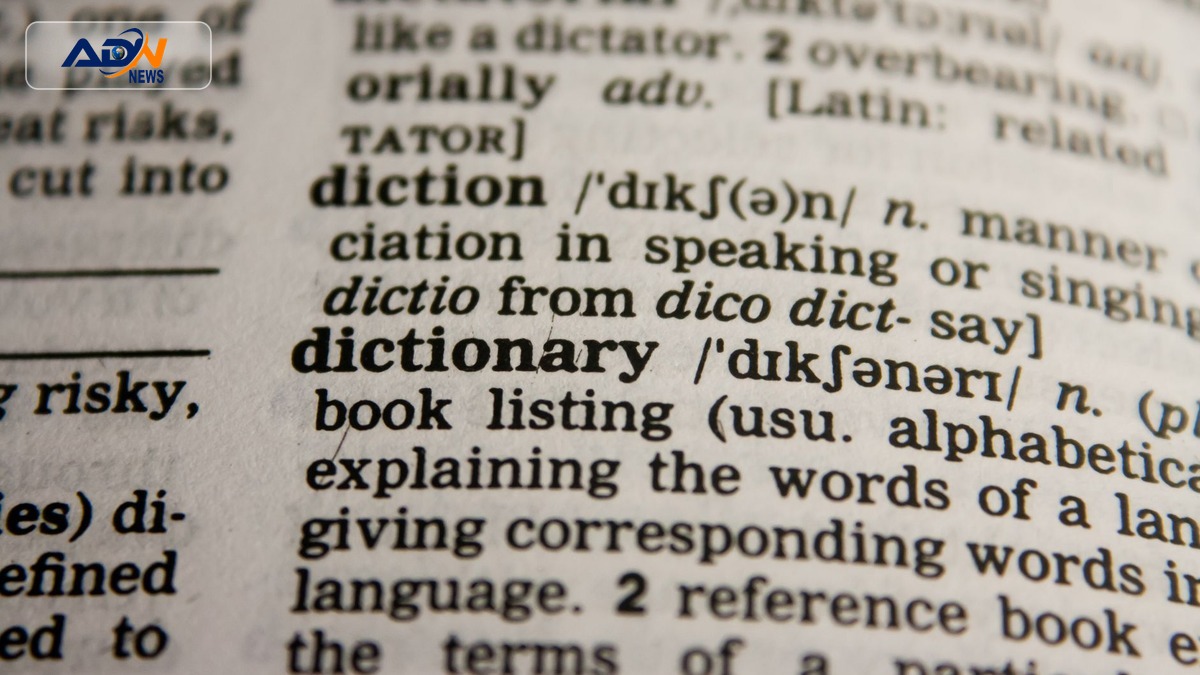
LONDON: As artificial intelligence (AI) continues to revolutionize the translation industry, experts emphasize that human translators remain indispensable for high-stakes tasks. Despite AI’s growing capabilities, the nuances of language and cultural context often require human insight, particularly in sensitive legal and diplomatic communications.
Industry leaders note that while AI tools can efficiently handle basic translations, they fall short in delivering the accuracy and emotional resonance needed for critical documents. “AI can process vast amounts of text quickly, but it lacks the ability to understand context and tone in the same way a human can,” said Dr. Emily Carter, a linguistics expert at the University of London.
This reliance on human translators highlights a significant intersection between technology and employment, raising questions about the future of jobs in the language services sector. As businesses increasingly adopt AI solutions, the demand for skilled human translators may shift, focusing on specialized areas where human judgment is paramount.
Looking ahead, industry stakeholders are advocating for a hybrid approach that combines AI efficiency with human expertise. Upcoming conferences will explore best practices for integrating AI into translation workflows while preserving the essential role of human translators.