
AIPAC Faces Challenges as US Midterms Shift Voter Sentiment on Israel
WASHINGTON: The pro-Israel lobbying group AIPAC, once a dominant force in American politics, is now grappling with significant challenges following the recent midterm elections. Voter disillusionment regarding US-Israeli relations has intensified, particularly in light of civilian casualties in Gaza and the ongoing costs associated with the Iran conflict.
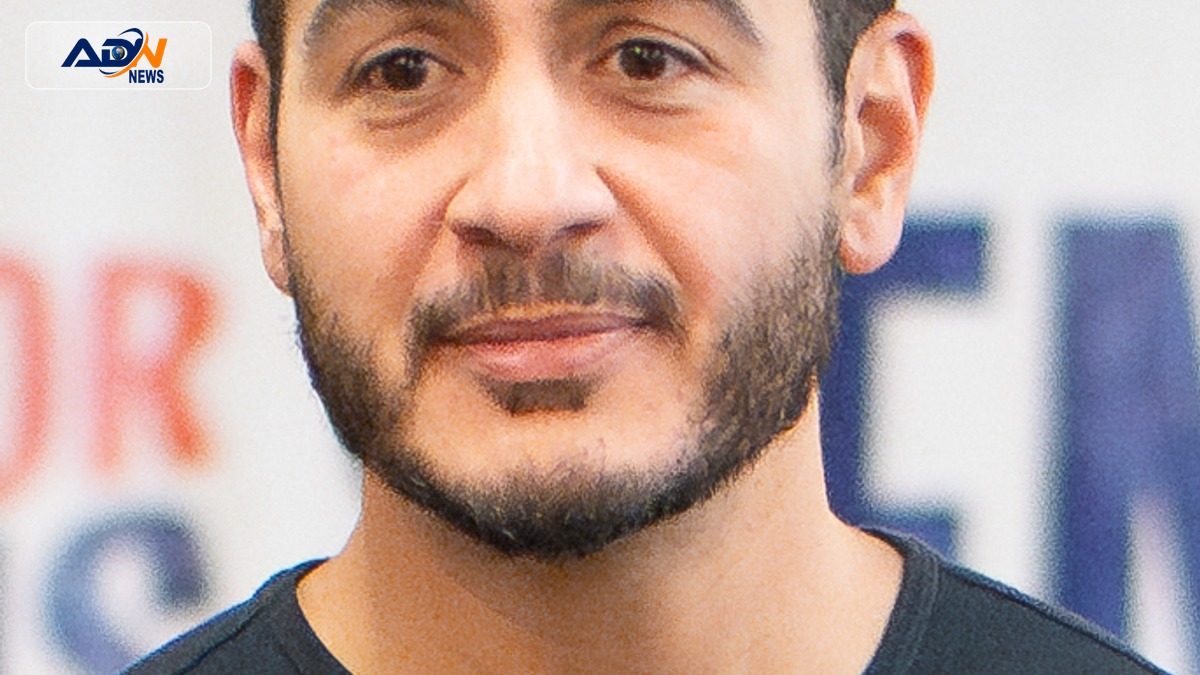
Historically, candidates across the political spectrum have sought AIPAC’s endorsement, viewing it as a vital asset. However, this election cycle has seen a shift, with AIPAC’s support becoming a liability for many candidates. In a notable example, Democrat Abdul El-Sayed, who campaigned on a platform critical of US military funding for Israel, triumphed in the Michigan Senate race against AIPAC-backed opponents. El-Sayed’s victory marks a significant milestone as he becomes the first Muslim senator from Michigan.
The tens of millions of dollars invested by AIPAC-affiliated groups, such as the United Democracy Project, not only failed to secure wins for their candidates but inadvertently bolstered El-Sayed’s campaign. In a pointed remark during his victory speech, El-Sayed quipped, “To AIPAC… Thank you for giving me the opportunity to beat you twice,” highlighting the shifting political landscape.
This electoral outcome signals a potential reevaluation of pro-Israel lobbying strategies as public sentiment evolves. As candidates increasingly adopt more critical stances on US-Israel relations, AIPAC may need to reassess its influence and approach in future elections. Observers will be closely watching how these dynamics unfold in upcoming political contests.