
Argentine Deep-Sea Canyon Reveals 57 New Species Amid Viral Sea Star Fame
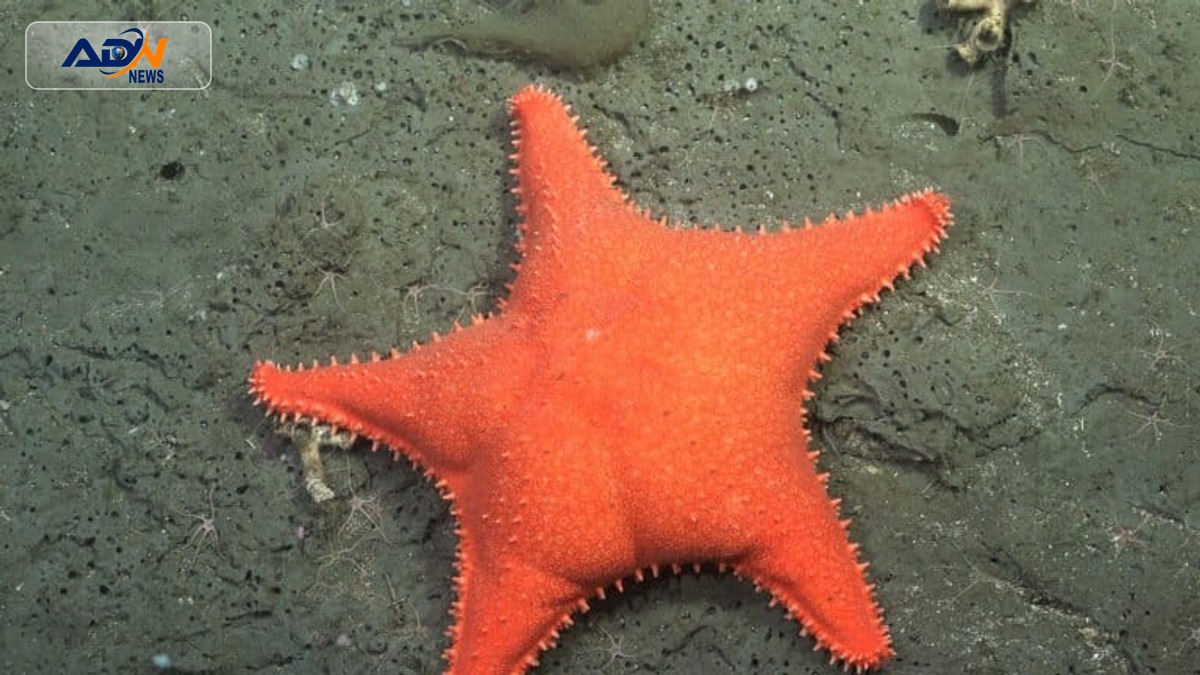
BUENOS AIRES: A recent exploration of the Argentine deep-sea canyon has unveiled 57 new marine species, capturing the attention of scientists and environmentalists alike. This discovery comes in the wake of the viral sensation surrounding the ‘Patrick’ sea star, highlighting the rich biodiversity of the region.
Researchers from the National Scientific and Technical Research Council (CONICET) conducted the study, revealing that the newly identified species include various types of corals, sponges, and crustaceans. Dr. Maria Gonzalez, a lead researcher, stated, “The canyon is a treasure trove of undiscovered life, and these findings underscore the importance of protecting such ecosystems from human activities and climate change.”
The implications of this discovery are significant for environmental conservation efforts. As marine habitats face increasing threats from pollution and overfishing, understanding the biodiversity within these ecosystems is crucial for developing effective protection strategies. The findings may also influence international policies regarding marine conservation.
Looking ahead, researchers plan to conduct further studies to assess the ecological health of the canyon and its species. Upcoming expeditions are expected to gather more data, which will be vital for informing conservation measures and raising awareness about the importance of deep-sea ecosystems.