
Artificial Nests Provide Habitat for Hong Kong’s Cockatoos and Research Insights
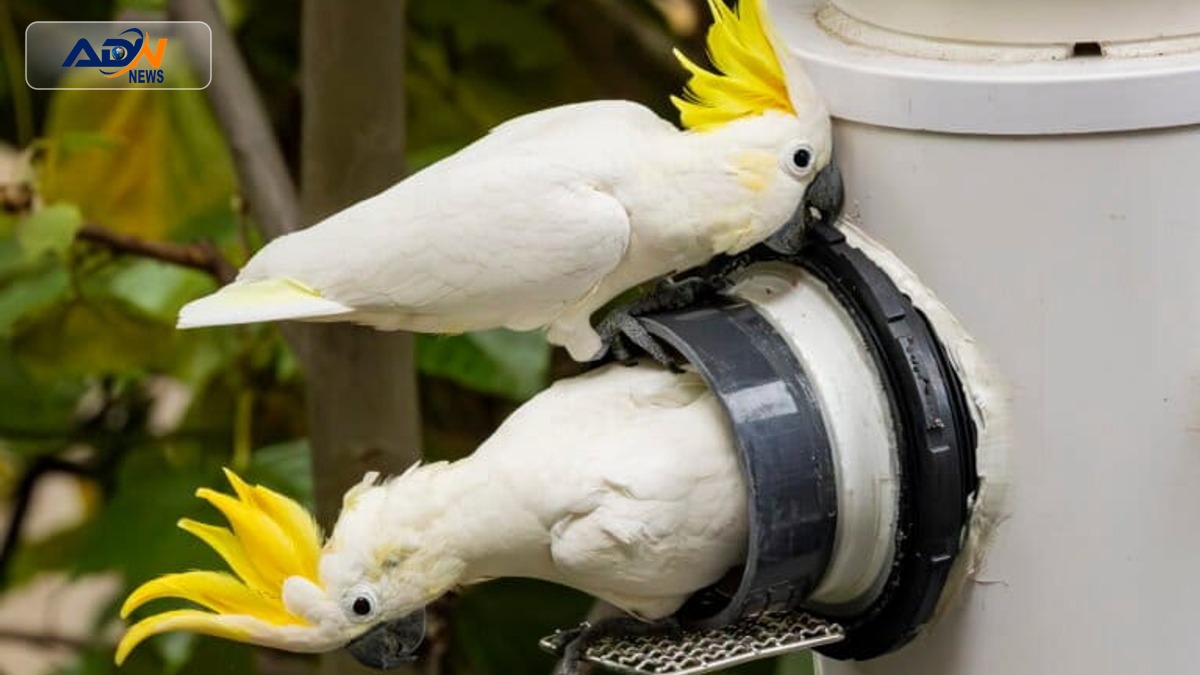
HONG KONG: In a groundbreaking initiative, conservationists have introduced artificial nests to support the dwindling population of cockatoos in Hong Kong, aiming to enhance their habitat and facilitate behavioral studies.
The project, launched earlier this year, has already seen positive results, with local wildlife experts noting an increase in nesting activity among the cockatoo population. According to Dr. Emily Chan, a leading ornithologist involved in the project, “These artificial nests not only provide a safe space for breeding but also allow us to observe their behavior in a controlled environment, which is crucial for our conservation efforts.”
This initiative holds significant implications for wildlife conservation in urban settings, where natural habitats are increasingly threatened by development. By creating artificial nesting sites, researchers hope to foster a sustainable environment for cockatoos, which are vital to the local ecosystem as seed dispersers. The success of this project could serve as a model for similar efforts aimed at protecting other endangered species in urban areas.
Looking ahead, conservationists plan to expand the project by installing additional nests and conducting further studies on the cockatoos’ feeding and mating behaviors. They are also seeking partnerships with local schools to raise awareness about the importance of wildlife conservation among younger generations.