
Astronomers Detect First Radio Emission from Exoplanet Beyond Solar System
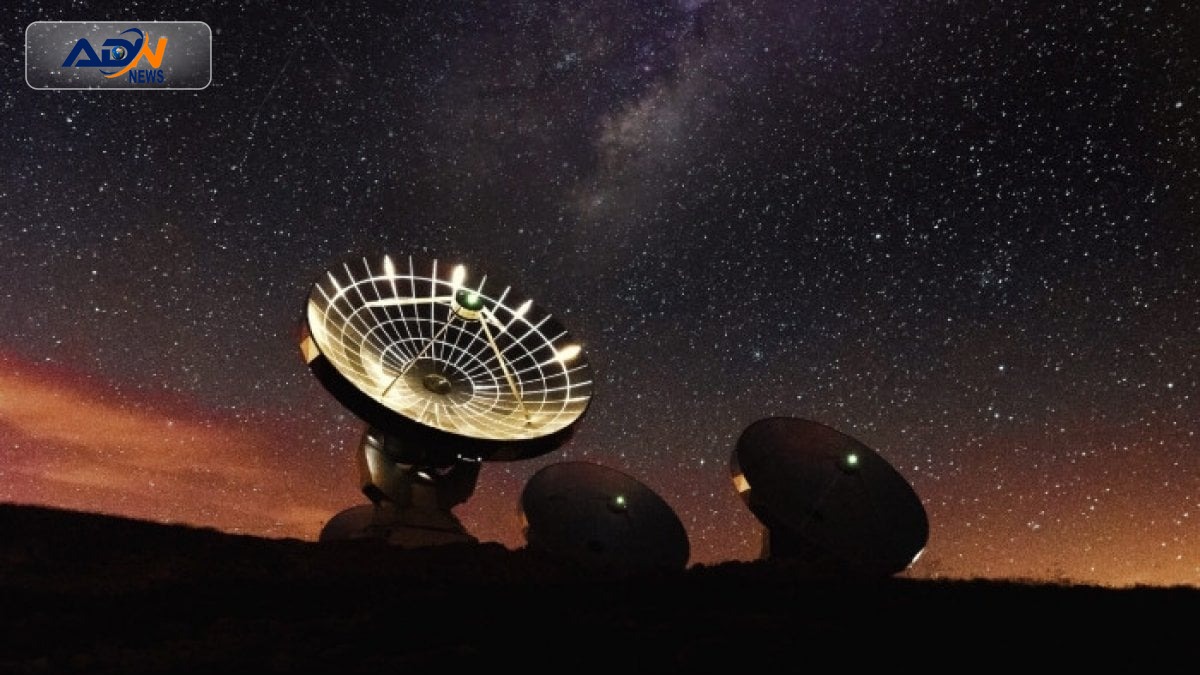
WASHINGTON: In a groundbreaking discovery, astronomers have detected the first radio emission from a planet located beyond our solar system, marking a significant milestone in the study of exoplanets. This unprecedented finding was reported on [insert date], as scientists continue to explore the mysteries of the universe.
The detection was made by a team of researchers using advanced radio telescopes, which captured signals from the exoplanet, identified as [insert exoplanet name]. According to Dr. [insert name], the lead researcher, “This discovery opens up new avenues for understanding the atmospheric conditions and potential habitability of distant worlds.” The signals were detected during a routine observation session, highlighting the capabilities of modern astronomical technology.
This discovery has profound implications for the field of astronomy and our understanding of planetary systems. It suggests that exoplanets may exhibit similar atmospheric phenomena as those found in our solar system, potentially leading to new insights into the formation and evolution of planets. Furthermore, it raises questions about the potential for life beyond Earth, as scientists analyze the characteristics of the detected emissions.
Looking ahead, researchers plan to conduct further observations to gather more data on the exoplanet’s atmosphere and its radio emissions. Upcoming studies will focus on comparing these findings with other known exoplanets, aiming to build a comprehensive understanding of the diverse conditions that exist in the universe.