
Bangladesh Establishes Wage Board Amid Violent Protests in Garment Sector
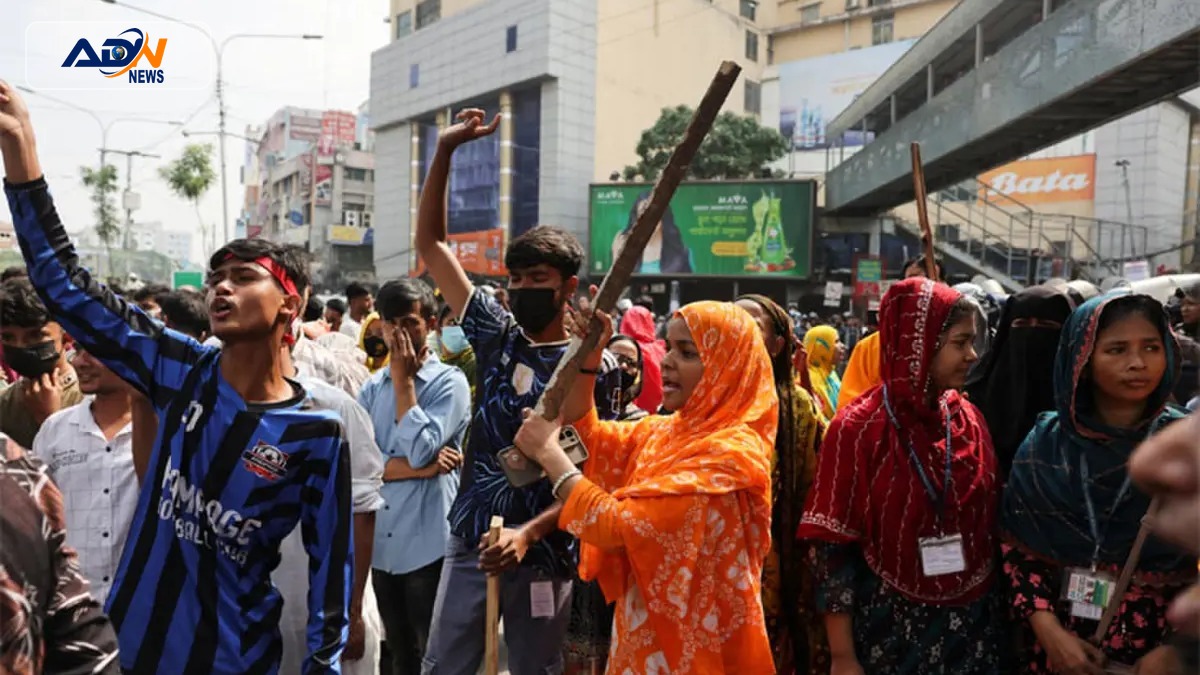
DHAKA: Bangladesh has announced the formation of a wage board to reassess the pay of garment workers, urging employees to return to work as violent protests have led to the closure of over 500 factories. The unrest, sparked by demands for higher wages, has seen police deploying tear gas and water cannons against demonstrators.
Workers are advocating for a minimum monthly wage of 30,000 taka ($245), more than double the current rate of 12,500 taka. They argue that the rising costs of living, including food, housing, transportation, and healthcare, have significantly diminished their purchasing power. “The cost of living has increased far beyond our incomes,” said worker Mahin Hossain, highlighting the struggle many face in providing for their families.
This dispute raises alarms about potential disruptions in an industry that employs approximately four million people and accounts for over 80% of Bangladesh’s export earnings, supplying major Western brands. The ongoing unrest could have severe implications for the economy, particularly as the garment sector is a cornerstone of Bangladesh’s economic stability.
In response to the escalating situation, the government is expected to convene meetings with labor representatives and factory owners to address the wage demands and restore order. The outcome of these discussions will be crucial in determining the future of the garment industry and the livelihoods of millions of workers.