
Bangladesh’s Rivers Choked by Plastic Waste Amid Growing Environmental Crisis
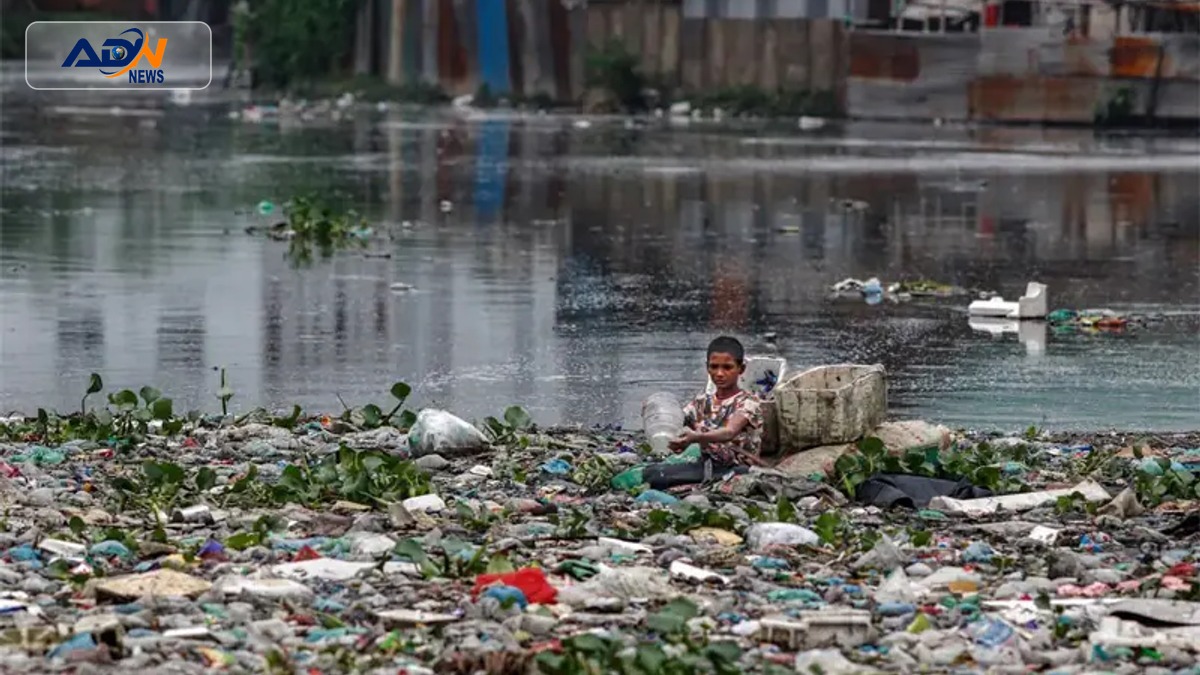
DHAKA: Bangladesh faces a severe environmental crisis as its rivers, particularly the Buriganga, become increasingly choked with plastic waste. Since the introduction of single-use plastics in the 1980s, the country has escalated its plastic waste generation to approximately 3,000 tonnes daily, according to a 2022 study by the Environment and Social Development Organisation (ESDO).
Experts warn that the unregulated production of single-use plastics, coupled with inadequate recycling systems and a lack of public awareness, has led to a significant increase in plastic pollution. The Buriganga, which serves as a lifeline for Dhaka, is now a stark example of this crisis, with microplastics found in fish caught in the river at alarming rates compared to those from the Bay of Bengal.
This growing pollution poses serious risks not only to aquatic life but also to public health, as microplastics infiltrate the food chain. The polymer Polyethylene Terephthalate (PET), commonly used in bottles and food packaging, can take up to 450 years to decompose, leaching harmful chemicals into the environment.
In light of these findings, experts are calling for urgent reforms in manufacturing practices, enhanced recycling initiatives, and stronger enforcement of existing environmental laws. Upcoming discussions among policymakers and environmental groups are expected to address these critical issues and seek sustainable solutions.