
Barn Owls Ringed to Assess Impact of Conservation-Focused Farming
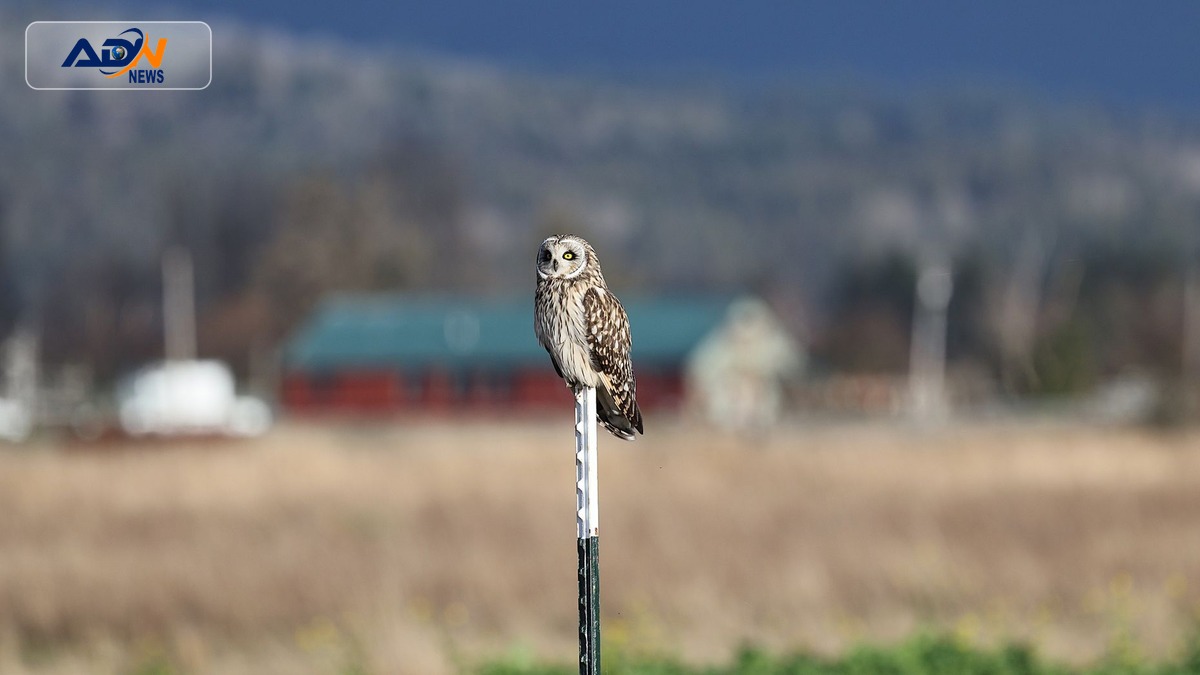
LONDON: A barn owl and its 15 chicks have been ringed as part of a groundbreaking initiative to evaluate the effectiveness of conservation-focused farming practices. This project aims to determine whether such farming methods are beneficial for wildlife, particularly in enhancing biodiversity.
The initiative, spearheaded by environmental scientists, involves monitoring the health and survival rates of the barn owls over time. Experts believe that by tracking these birds, they can gather crucial data on how wildlife responds to agricultural practices that prioritize conservation. “This is a vital step in understanding the interplay between farming and wildlife conservation,” said Dr. Emily Carter, a leading researcher in the project.
The implications of this study extend beyond mere academic interest; they could influence farming policies and practices across the region. As biodiversity continues to decline globally, successful conservation strategies could provide a model for integrating wildlife protection into agricultural systems, potentially benefiting both farmers and ecosystems.
Looking ahead, researchers plan to expand their monitoring efforts and collaborate with local farmers to implement best practices that support wildlife. Upcoming workshops are scheduled to educate farmers on the benefits of conservation-focused methods, aiming to foster a more sustainable agricultural landscape.