
Bollywood Film Spotlights Life of Indian Dancer Vithabhai Narayangaonkar
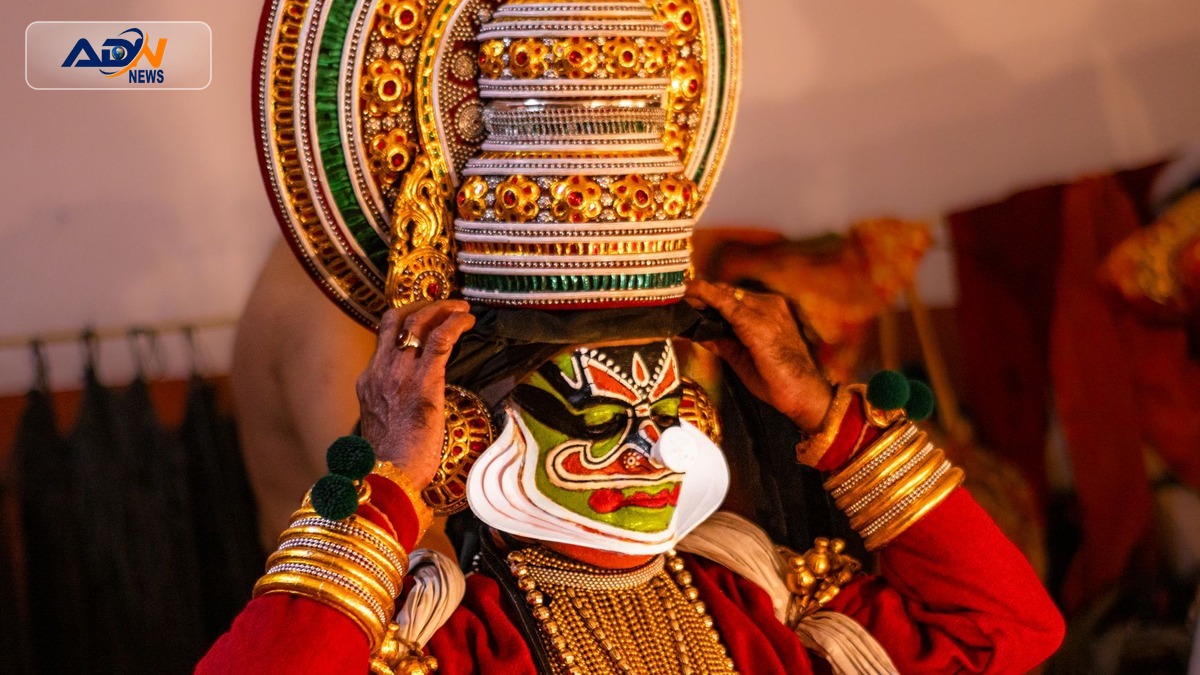
NEW DELHI: A newly released Bollywood film has brought to the forefront the remarkable and turbulent life of legendary Indian dancer and singer Vithabhai Narayangaonkar, a revered icon of the traditional folk art form known as Tamasha. The cinematic tribute chronicles her profound artistic legacy, her struggles within a male-dominated cultural landscape, and the immense adoration she commanded from millions of devoted fans across India’s rural heartlands.
Narayangaonkar, celebrated widely as the ‘Tamasha queen’, spent decades revitalizing and popularizing the traditional Maharashtrian theater genre through her powerful performances and unyielding dedication. Despite generating massive crowds and widespread acclaim, her career was frequently marred by financial exploitation, social marginalization, and the harsh realities faced by traditional folk artists who struggled to secure adequate compensation and institutional support during their twilight years.
Cultural critics and historians note that the cinematic release serves as a crucial reminder of the precarious existence endured by traditional practitioners of indigenous arts in South Asia. While classical and modern mainstream entertainment often dominate commercial spaces, folk genres like Tamasha remain vital repositories of regional history, identity, and social commentary, highlighting the urgent need for robust state patronage and copyright protections for marginalized performers.
Industry analysts expect the biographical drama to spark renewed academic and public interest in preservation efforts for endangered folk traditions throughout the region. Cultural ministries and regional arts councils are facing mounting calls to establish dedicated welfare funds and performance platforms to ensure that legacy artists and their families receive sustainable financial security and historical recognition.