
Borneo Fires Create Toxic Haze, Affecting Health Across Southeast Asia
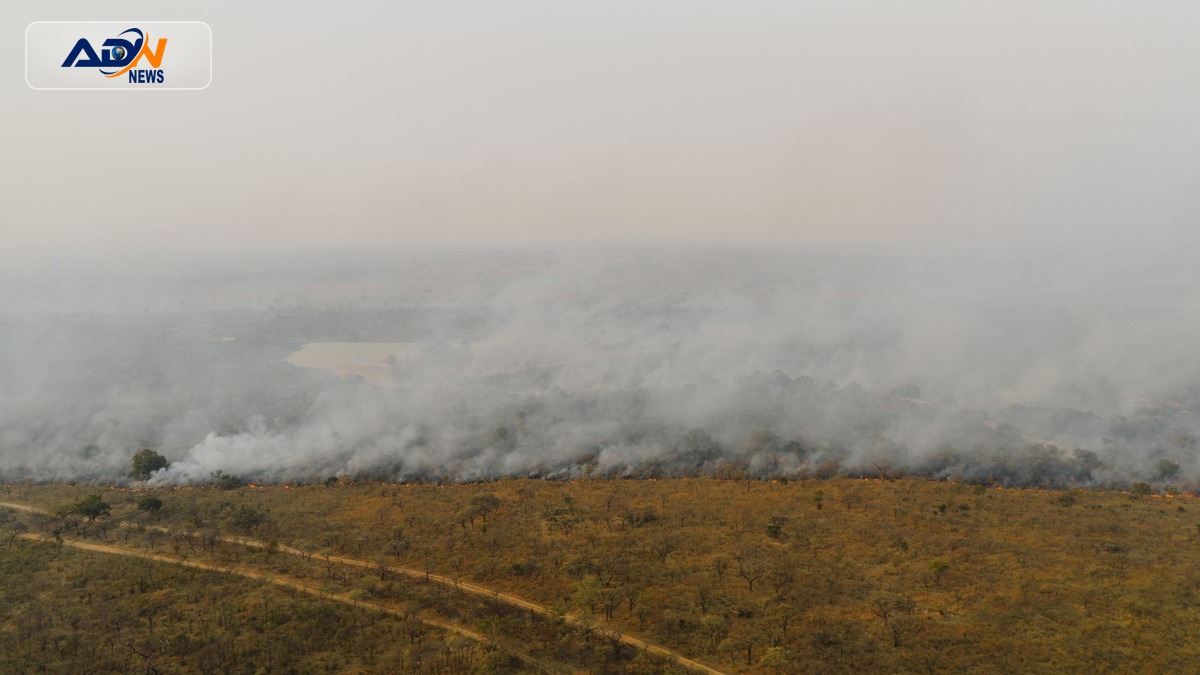
BORNEO: Months of relentless wildfires in Indonesia have enveloped Southeast Asia in a thick haze, resulting in widespread health issues for hundreds of thousands of residents. The fires, primarily driven by agricultural practices and land clearing, have intensified during the dry season, exacerbating air quality problems across the region.
Local health authorities report a surge in respiratory illnesses, with hospitals seeing an influx of patients suffering from haze-related conditions. Officials have urged residents to stay indoors and use masks when venturing outside. Environmental groups are calling for urgent action to address the root causes of the fires, emphasizing the need for sustainable land management practices.
The implications of this environmental crisis extend beyond health; the haze disrupts daily life, affects tourism, and poses challenges for regional cooperation in addressing transboundary pollution. Countries like Malaysia and Singapore have expressed concern over the deteriorating air quality, prompting discussions on collaborative measures to mitigate the impact.
In response to the ongoing crisis, Indonesian authorities are expected to convene an emergency meeting to discuss strategies for fire prevention and management. Environmentalists are advocating for stricter regulations on land clearing and greater investment in reforestation efforts to restore affected areas.