
British Engineer Unveils Innovative Tidal Energy System for Coastal Towns
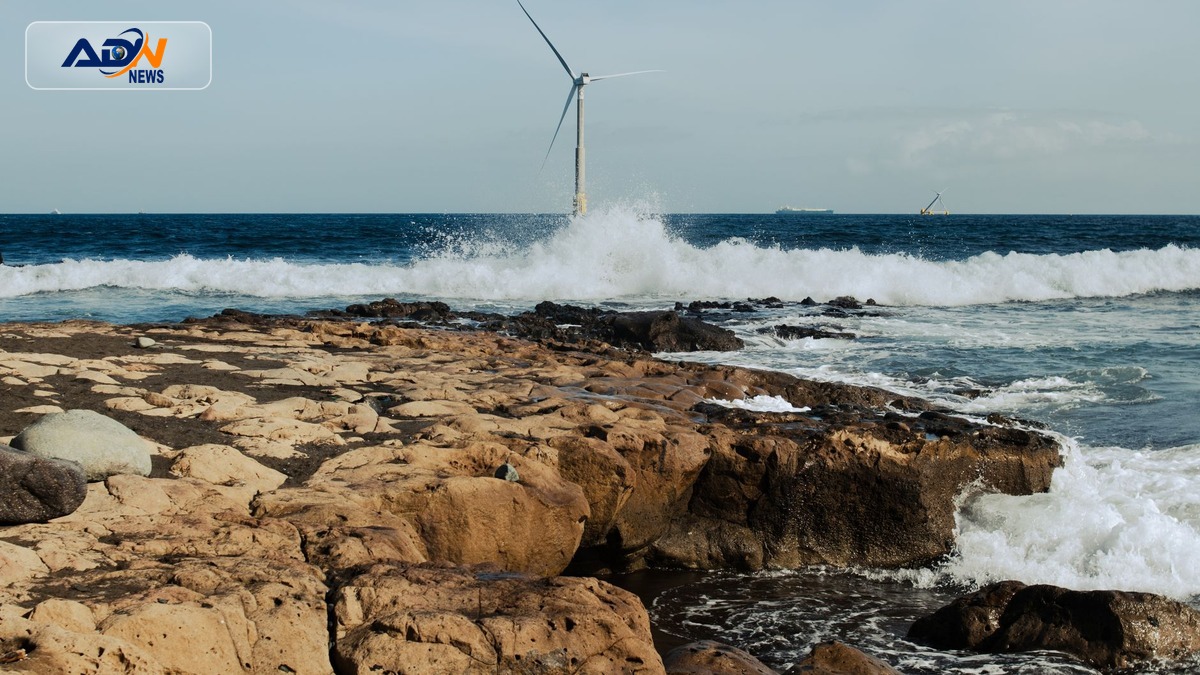
LONDON: British engineer David Mummery has unveiled a compact, highly efficient tidal energy generator designed to deliver continuous, decentralised clean electricity to remote and vulnerable coastal settlements. The breakthrough technology harnesses the natural and highly predictable flow of ocean tides to produce sustainable baseload power, presenting a viable alternative to volatile fossil-fuel-dependent regional grids and capital-intensive offshore installations.
Unlike conventional underwater turbines that require extensive deep-sea anchoring and massive capital investment, Mummery’s modular generator operates with a streamlined hydrodynamic profile, drastically reducing deployment complexity and ecological disturbance to local marine habitats. According to technical presentations of the design, the unit delivers consistent energy output undisturbed by the weather fluctuations that often affect solar and wind arrays. The mechanism has been engineered specifically to provide littoral communities with an affordable, self-sustaining utility infrastructure.
The innovation emerges at a critical moment as global coastal municipalities face compounding climate threats, erratic power tariffs, and urgent statutory decarbonisation targets. Energy analysts highlight that the successful rollout of decentralised marine power could revitalise coastal micro-economies, stabilising power supplies for critical fishing ports, cold storage facilities, and desalination infrastructure. For isolated island nations and peripheral shorelines, such localized energy generation offers a pathway toward long-term energy sovereignty and reduced reliance on imported diesel fuel.
Engineering teams are currently concluding extended hydrodynamic testing and are preparing to advance the tidal generator into commercial pilot deployment phases. Further discussions with regional marine authorities, environmental assessment bodies, and local utility operators are scheduled over the coming months to validate grid integration and evaluate the long-term operational resilience of the system in open-water environments.