
Cambodia Fails to Curb Illicit Monkey Trade Despite Global Warnings
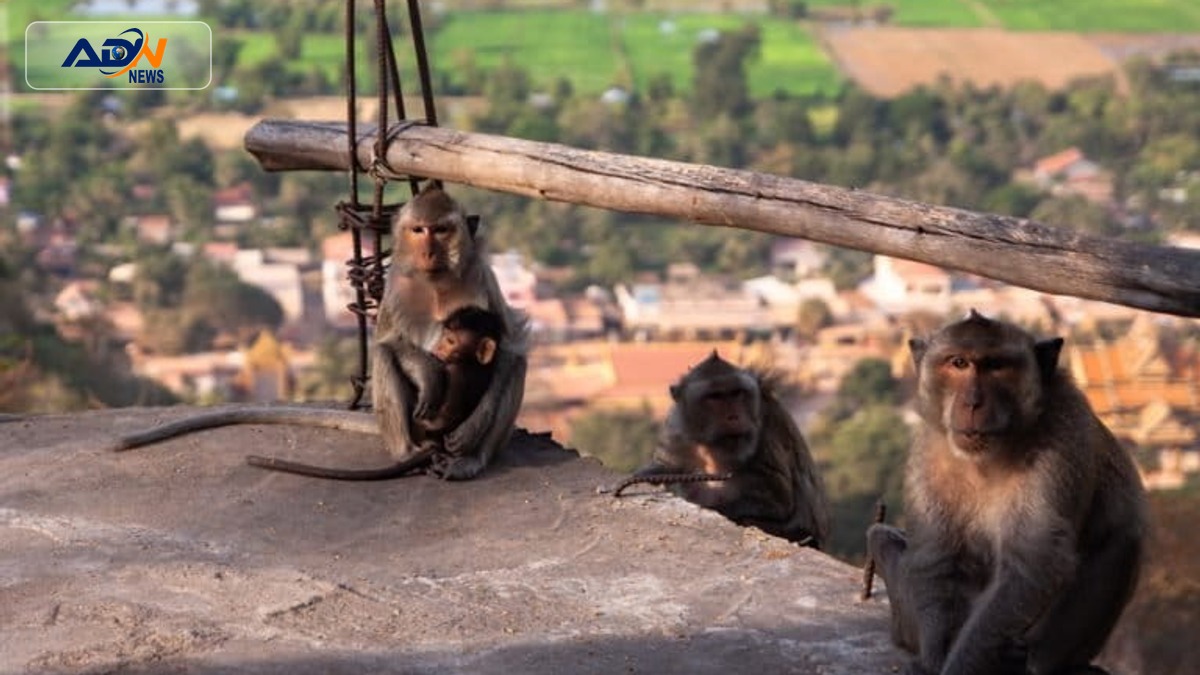
GENEVA: International wildlife regulators have warned that Cambodia has failed to adequately overhaul its commercial trade in long-tailed macaques, despite years of repeated directives and mounting evidence of widespread laundering of wild-caught primates into captive-breeding facilities. The finding comes amid heightened global scrutiny over Southeast Asia’s booming role in supplying live primates to biomedical research laboratories across North America and Europe.
According to compliance reviews conducted by governing bodies monitoring international wildlife commerce, Cambodian authorities have not introduced the necessary regulatory mechanisms, digital tracking systems, or independent auditing protocols to distinguish between legally bred primates and animals illegally poached from natural forests. Conservation monitors emphasize that corrupt networks continue to exploit regulatory blind spots, using fraudulent captive-breeding certificates to smuggle endangered monkeys into legitimate global supply chains.
The persistent regulatory failures carry serious ecological and diplomatic ramifications, threatening wild macaque populations across Indochina and undermining international conservation treaties. Long-tailed macaques, formally uplisted to endangered status due to rampant habitat loss and commercial harvesting, face catastrophic local declines if illegal capturing continues unabated. Furthermore, failure to address systemic enforcement gaps exposes Cambodia to punitive trade sanctions from international oversight bodies, which could halt legal commercial wildlife exports entirely.
Global wildlife authorities and convention delegates are scheduled to review Cambodia’s compliance records during upcoming multilateral conservation committee sessions later this year. Without immediate, demonstrable enforcement actions, including transparent genetic testing of captive breeding stock and decisive crackdowns on illicit capture rings, Cambodia faces impending trade suspensions and heightened international legal pressure.