
China Brain-Computer Interface Market Set to Hit $920 Million by 2028
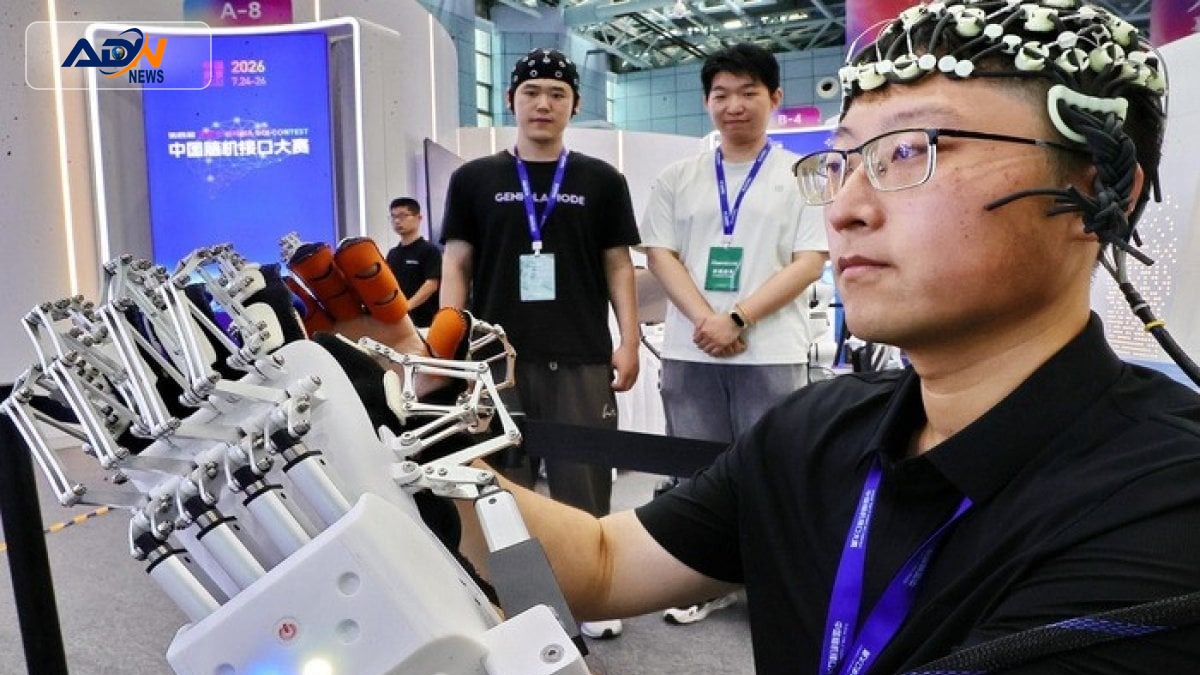
BEIJING: China’s brain-computer interface market is projected to expand rapidly and reach an estimated valuation of $920 million by 2028, propelled by aggressive national policy backing, rising venture capital investment, and expanding healthcare applications across the country. According to technological research and financial forecasting reports, the sector is experiencing an unprecedented surge as public and private enterprises race to commercialize next-generation neurotechnology solutions.
The substantial growth is primarily driven by medical rehabilitation demands, particularly for clinical solutions targeting motor disability, spinal cord injuries, neurodegenerative disorders, and stroke rehabilitation. Domestic biotech startups alongside established technology conglomerates in Beijing, Shanghai, and Shenzhen are accelerating clinical trials for both invasive and non-invasive devices. Strategic state support, coupled with dedicated science foundations and top-tier academic research centers, has significantly reduced development cycles and regulatory bottlenecks for local developers.
Beyond healthcare, the commercial expansion of brain-computer interface devices carries profound economic and technological implications. Broadening applications in industrial safety monitoring, consumer electronics, and cognitive augmentation are attracting substantial international investment and shaping regional tech supply chains. However, regulatory authorities and national ethics committees in China are simultaneously working to establish strict standards regarding neural data privacy, patient security, and ethical testing protocols as commercial viability nears reality.
Looking forward, industry analysts expect increased state-led infrastructure spending and further policy directives aimed at creating integrated medical-industrial clusters. Key regulatory milestones and public clinical trial results scheduled over the coming months will set the trajectory for widespread enterprise adoption, positioning China as a central player in the global neurotechnology race.