
Climate Change-Induced Droughts Transform Disease Spread Dynamics, Study Reveals
WASHINGTON: A new study reveals that droughts driven by climate change are significantly altering the dynamics of disease transmission across various ecosystems. The research highlights how prolonged dry spells can create conditions that facilitate the spread of infectious diseases, posing a growing threat to public health globally.
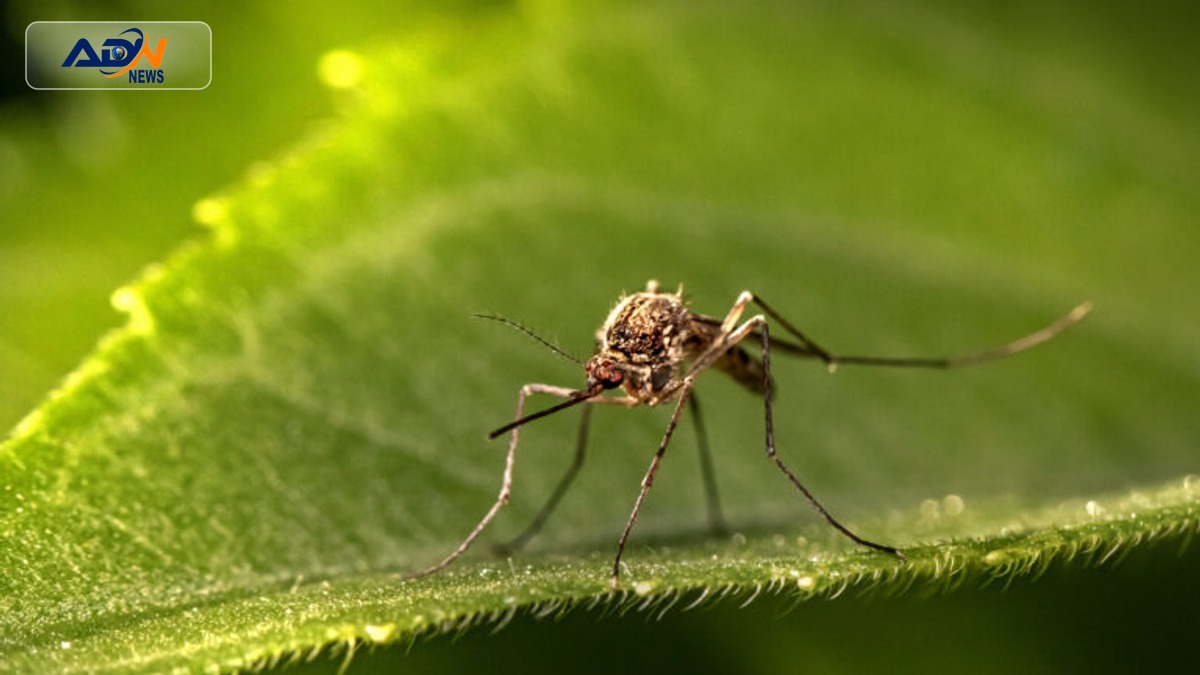
Researchers from the University of California conducted an extensive analysis of disease patterns in drought-affected regions, finding that reduced water availability and increased temperatures contribute to the proliferation of disease vectors such as mosquitoes and ticks. Dr. Emily Johnson, the lead author of the study, stated, “As climate change intensifies, we must recognize the interconnectedness of environmental changes and health outcomes. Droughts are not just a water crisis; they are also a public health crisis that demands urgent attention.”
The implications of these findings are profound, as they suggest that communities already vulnerable to health issues may face even greater risks due to climate-induced droughts. This could strain healthcare systems, particularly in developing countries where resources are limited. Experts warn that without proactive measures, the burden of disease could escalate, leading to increased morbidity and mortality rates.
In light of this research, public health officials and policymakers are urged to integrate climate adaptation strategies into health planning. Upcoming international climate conferences will likely address these findings, emphasizing the need for collaborative efforts to mitigate the impacts of climate change on health.