
COP31 Climate Talks Collapse Amid Divisions Over Oil Interests and Finance
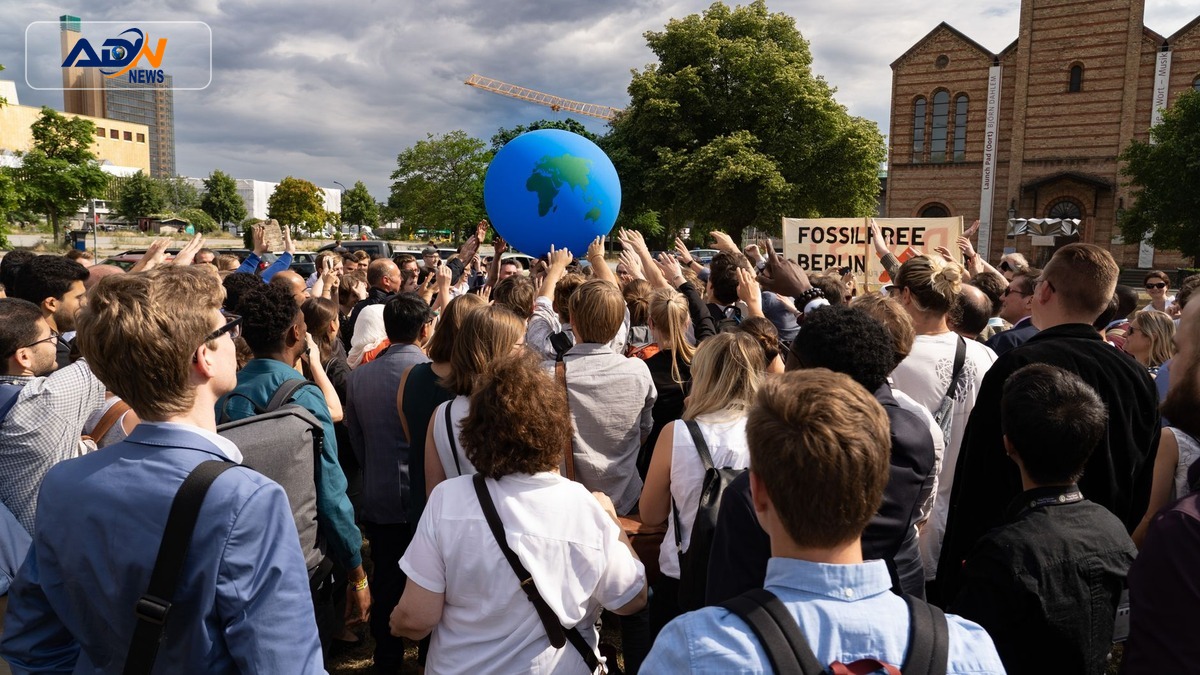
LONDON: The COP31 climate talks have faltered significantly, revealing deep divisions among nations over critical issues such as oil interests, a US boycott, and contentious financial negotiations. The conference, aimed at addressing global climate change, faced insurmountable challenges that ultimately led to its collapse.
Key players, particularly oil-producing nations, prioritized their economic interests, complicating discussions on necessary climate action. The absence of the United States, which has boycotted the talks, further exacerbated tensions. Experts and environmental advocates have expressed disappointment, citing the failure to reach consensus on financial commitments essential for supporting developing countries in their climate initiatives.
This breakdown in negotiations underscores the growing rift in international climate policy, raising concerns about the future of global cooperation on environmental issues. Citizens worldwide may face increased climate-related challenges as nations struggle to align their interests, potentially hindering progress toward sustainable solutions.
Looking ahead, stakeholders are calling for urgent dialogue to address the issues that led to the failure of COP31. Future meetings are expected to focus on rebuilding trust among nations and establishing a framework for more effective climate negotiations.