
Fruit Bats Play Crucial Role in Restoring Atlantic Forest Ecosystem
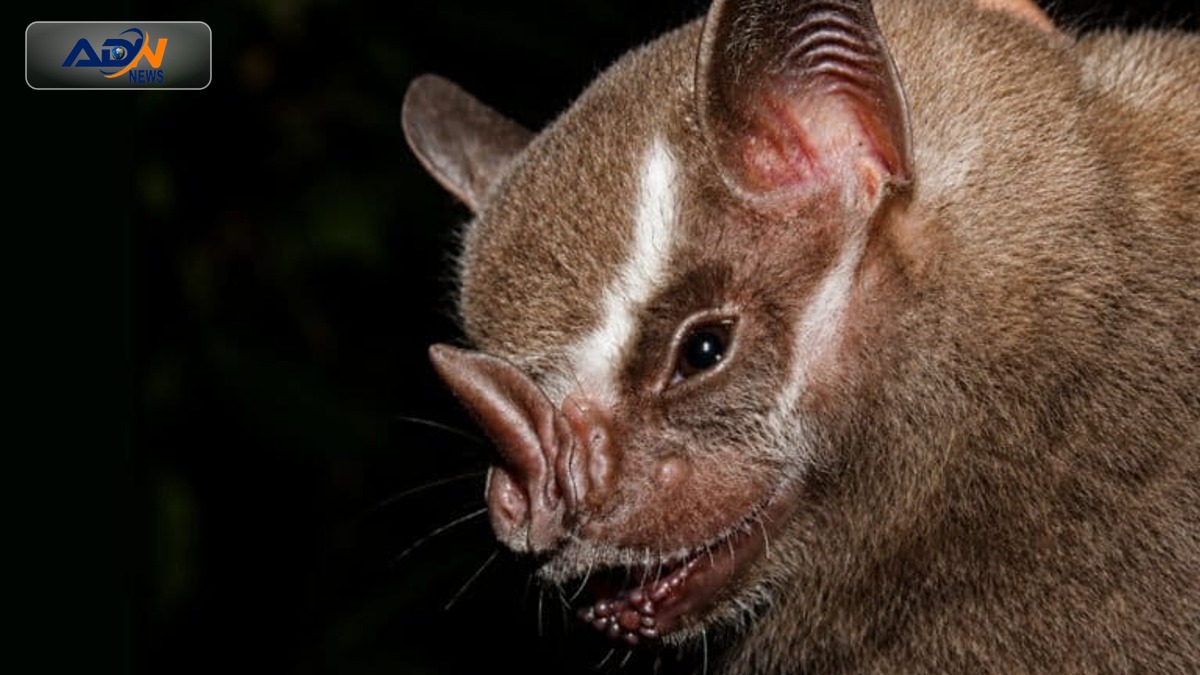
RIO DE JANEIRO: Fruit bats are emerging as vital contributors to the restoration of the Atlantic Forest, a critical ecosystem in Brazil, as researchers highlight their role in seed dispersal and forest regeneration.
Recent studies indicate that these bats, which feed on fruits, are instrumental in spreading seeds across vast areas, thereby enhancing biodiversity and promoting the growth of native plant species. According to Dr. Maria Silva, a leading ecologist at the University of São Paulo, “The presence of fruit bats significantly accelerates the recovery of degraded areas, making them indispensable to our conservation efforts.”
The implications of this research extend beyond ecological benefits; restoring the Atlantic Forest is crucial for combating climate change, preserving wildlife habitats, and supporting local communities that rely on forest resources. The Atlantic Forest, once covering 1.5 million square kilometers, has been reduced to just 12% of its original size, highlighting the urgent need for effective restoration strategies.
Looking ahead, conservationists plan to implement targeted initiatives that protect fruit bat populations and their habitats. Upcoming workshops and community engagement programs are set to educate local populations on the importance of these bats in ecosystem health, aiming to foster a collaborative approach to forest restoration.