
Governor’s Rule Imposed in Khyber Pakhtunkhwa: Understanding Its Implications
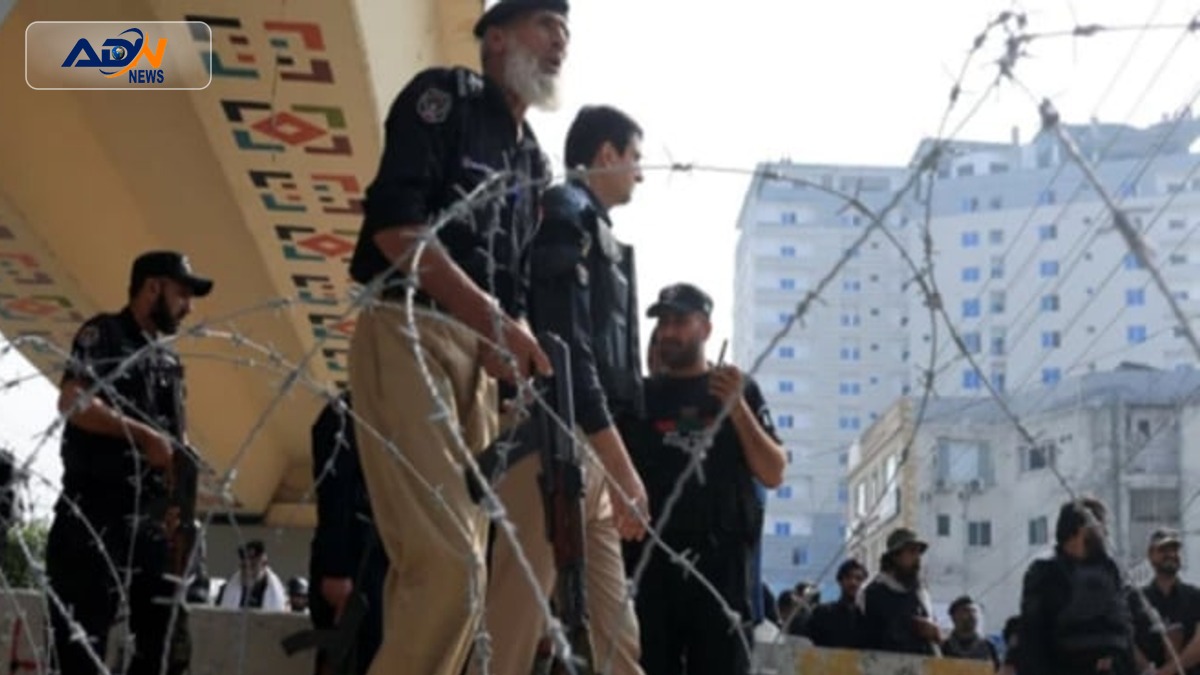
PESHAWAR: Following the imposition of emergency measures, the question arises regarding the nature and implications of Governor’s Rule in Khyber Pakhtunkhwa. This constitutional provision allows the federal government to assume control over a province’s administration under specific circumstances, typically in response to political instability or governance failures.
Governor’s Rule is enacted when the provincial government is unable to maintain law and order or when there is a breakdown of constitutional machinery. In Khyber Pakhtunkhwa, officials have cited escalating security concerns and administrative challenges as key reasons for this decision. Political analysts suggest that this move aims to restore order and ensure effective governance during a tumultuous period.
The implications of Governor’s Rule extend beyond administrative control; it raises concerns about the democratic process and the potential for political unrest among citizens. Critics argue that such measures can undermine provincial autonomy and lead to further discontent among the populace, while supporters claim it is necessary for stabilizing the region.
Looking ahead, the provincial administration is expected to outline its strategy for governance under this rule, with discussions anticipated regarding the timeline for restoring normalcy and the potential for future elections. Stakeholders are closely monitoring developments to assess the long-term impact on Khyber Pakhtunkhwa’s political landscape.