
Hormuz Tensions Escalate, Impacting Global Security and Economy
ISLAMABAD: The ongoing tensions in the Hormuz Strait have evolved beyond a regional security issue, now posing significant implications for global economic stability and international relations. Recent incidents have heightened concerns over the safety of one of the world’s most critical maritime chokepoints, where approximately 20% of global oil trade transits.
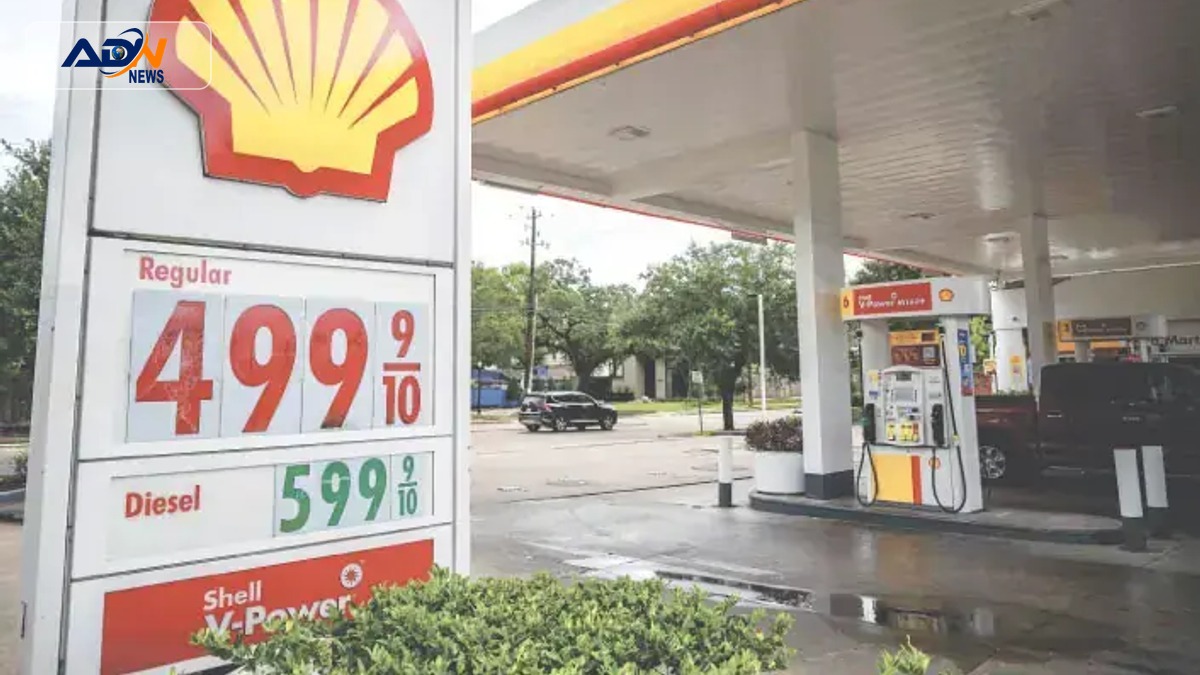
Analysts warn that the escalation of military activities in the region, coupled with geopolitical rivalries, could disrupt oil supplies and lead to increased prices worldwide. A spokesperson from the International Energy Agency stated, “The situation in Hormuz is a pivotal factor influencing energy security, and any disruption could have far-reaching consequences for economies reliant on oil imports.”
The ramifications of these developments extend beyond energy markets, affecting global trade dynamics and diplomatic relations. Countries heavily dependent on oil imports, particularly in Asia and Europe, are closely monitoring the situation, as any instability could lead to economic downturns and inflationary pressures.
Looking ahead, international diplomatic efforts are expected to intensify, with upcoming meetings among key stakeholders aimed at de-escalating tensions. The United Nations has called for a comprehensive dialogue to address the underlying issues contributing to the crisis, emphasizing the need for a collaborative approach to ensure maritime security.