
Identity Politics Reshapes India-Bangladesh Borderlands Amid Tensions
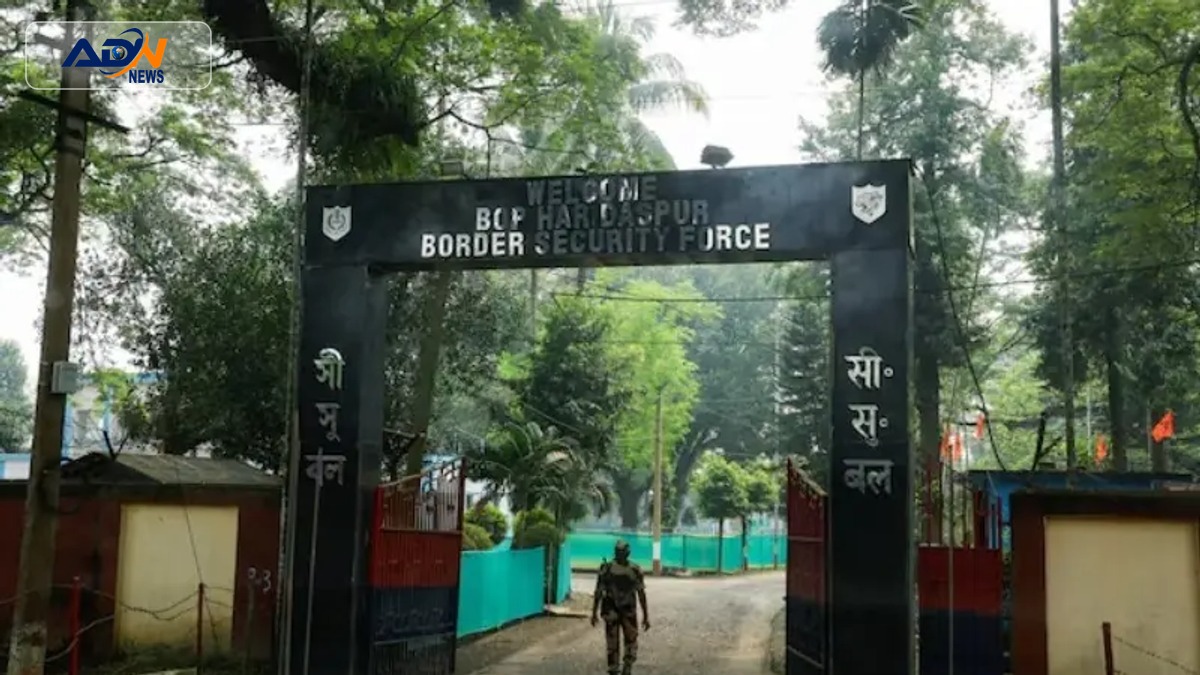
DHAKA: The India-Bangladesh borderlands are evolving into complex landscapes defined not just by territorial disputes but by shared histories and cultural ties. These regions, particularly significant in Bangladesh’s history, have been shaped by deep-rooted human relationships that transcend the political tensions of the past.
Notably, Baidyanathtala, now known as Mujibnagar, holds historical importance as the site where Bangladesh’s first government took its oath on April 17, 1971. Despite ongoing political strife and a heavily fortified border, communities on both sides have fostered relationships through cross-border marriages, shared religious practices, and trade, highlighting the intertwined nature of their existence.
However, recent developments in India’s northeastern states, particularly Assam, have raised alarms regarding identity politics. Actions such as demolition drives targeting Bengali-speaking Assamese Muslims and the normalization of derogatory terms have sparked debates about belonging and citizenship, questioning who has the legitimate right to reside in these contested spaces.
As tensions rise, the implications for local communities are profound, potentially altering social dynamics and economic interactions. Observers are calling for dialogue and policy reassessment to address these issues. Upcoming discussions among regional leaders may provide a platform for addressing these challenges and fostering a more inclusive approach to identity and belonging in the borderlands.