
India’s Air Pollution Monitors Overwhelmed by Toxic Smog Crisis
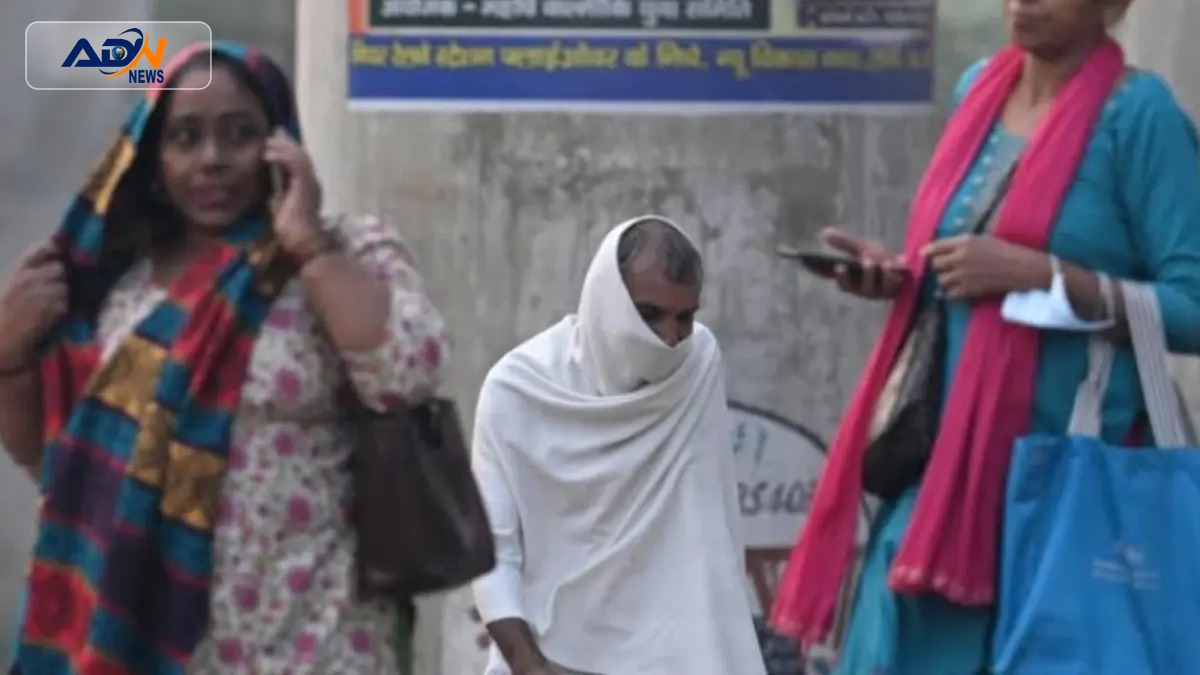
NEW DELHI: India’s air pollution monitors faced an unprecedented crisis this week as toxic smog levels soared beyond their upper measurement limits, reaching concentrations equivalent to 66 times the World Health Organisation’s recommended daily maximum, according to regulators.
This alarming admission follows accusations from opposition politicians who claim that authorities intentionally allowed gaps in official pollution readings during the critical hours of Diwali, the Hindu festival of lights, when pollution levels surged due to extensive fireworks usage.
New Delhi, already recognized as one of the world’s most polluted capitals, suffers from severe winter smog caused by a combination of vehicle emissions, agricultural burning, and industrial discharges, impacting millions of residents. The absence of accurate data during peak pollution hours raises concerns about the government’s transparency and accountability in addressing this public health crisis. Aam Aadmi Party (AAP) Delhi president Saurabh Bharadwaj criticized the government, stating, “The government which shuts down air quality monitoring stations on the night of Diwali, the government that does data fraud, how will you trust such a government?”
The implications of this pollution crisis extend beyond immediate health risks, affecting the quality of life and economic productivity in the region. As citizens grapple with the consequences of deteriorating air quality, calls for governmental action and accountability are intensifying. In the coming days, further investigations into the monitoring practices and potential reforms in pollution control measures are anticipated as public pressure mounts for more reliable data and effective solutions.