
India’s Middle Class Faces Discontent Amid Rising Protests and Economic Anxiety
NEW DELHI: The evolution of India’s middle class, once a small segment of the population, is now at a critical juncture as widespread protests led by youth signal growing discontent with the current economic system. This unrest, primarily driven by students and unemployed individuals, reflects a significant shift in sentiment towards the policies that have historically garnered middle class support since the economic liberalization of 1991.
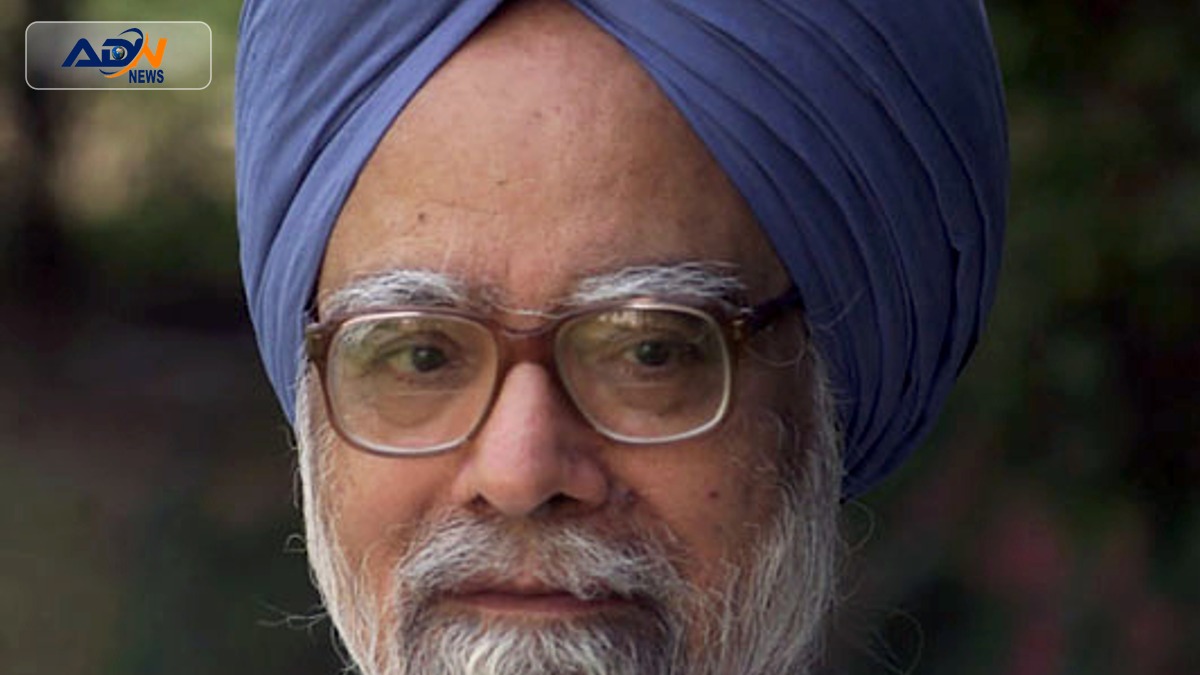
Historically, prior to the economic reforms initiated by Manmohan Singh in 1991, India’s middle class was limited to approximately 2.5 million individuals earning over $10,000 annually. Singh’s reforms catalyzed a dramatic expansion of this demographic, particularly through the growth of the IT and services sectors. By 2015, the middle class had burgeoned, becoming a pivotal force in Indian politics.
However, recent protests indicate a fracture in this relationship. The middle class, often viewed as a ‘vacillating class’ by Marxist theorists, is now grappling with a dual identity—aspiring to align with capitalist interests while simultaneously sharing the economic anxieties of the working class. This duality is increasingly evident as the youth express their frustrations over job scarcity and corporate dominance.
Looking ahead, the government faces mounting pressure to address these grievances. Upcoming discussions on economic policy reforms and employment generation are expected, as the youth demand a more equitable system that addresses their needs and concerns.