
Indigenous Knowledge and Science Unite to Restore Canada’s Kelp Ecosystems
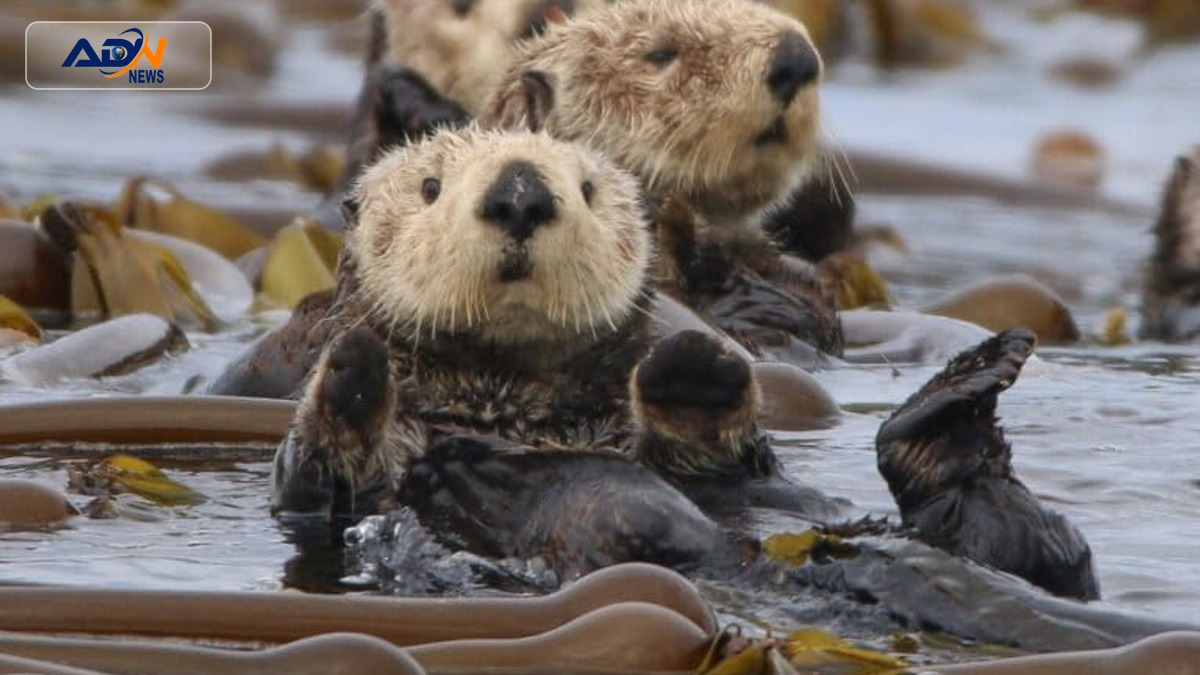
VANCOUVER: A groundbreaking initiative in Canada is merging Indigenous knowledge with scientific research to restore vital kelp ecosystems along the Pacific coast. This collaborative effort aims to address the decline of kelp forests, which are crucial for marine biodiversity and coastal protection.
Researchers and Indigenous communities have joined forces to implement restoration strategies that not only revive kelp populations but also incorporate traditional ecological practices. According to Dr. Emily Johnson, a marine biologist involved in the project, “The integration of Indigenous wisdom is essential for understanding the ecological balance and ensuring the sustainability of these habitats.” The project has already seen promising results, with increased kelp growth observed in several test sites.
The restoration of kelp forests has significant implications for local communities and the environment. Kelp provides habitat for numerous marine species, including fish and invertebrates, and plays a critical role in carbon sequestration. As these ecosystems recover, they can enhance local fisheries and contribute to climate change mitigation efforts.
Looking ahead, the project team plans to expand their restoration efforts and engage more Indigenous communities in the process. Upcoming workshops and community meetings are scheduled to share knowledge and gather input on future initiatives. This collaborative model could serve as a blueprint for similar environmental restoration projects worldwide.