
Indonesia Faces Severe Criticism Over Inadequate Response to Forest Fires
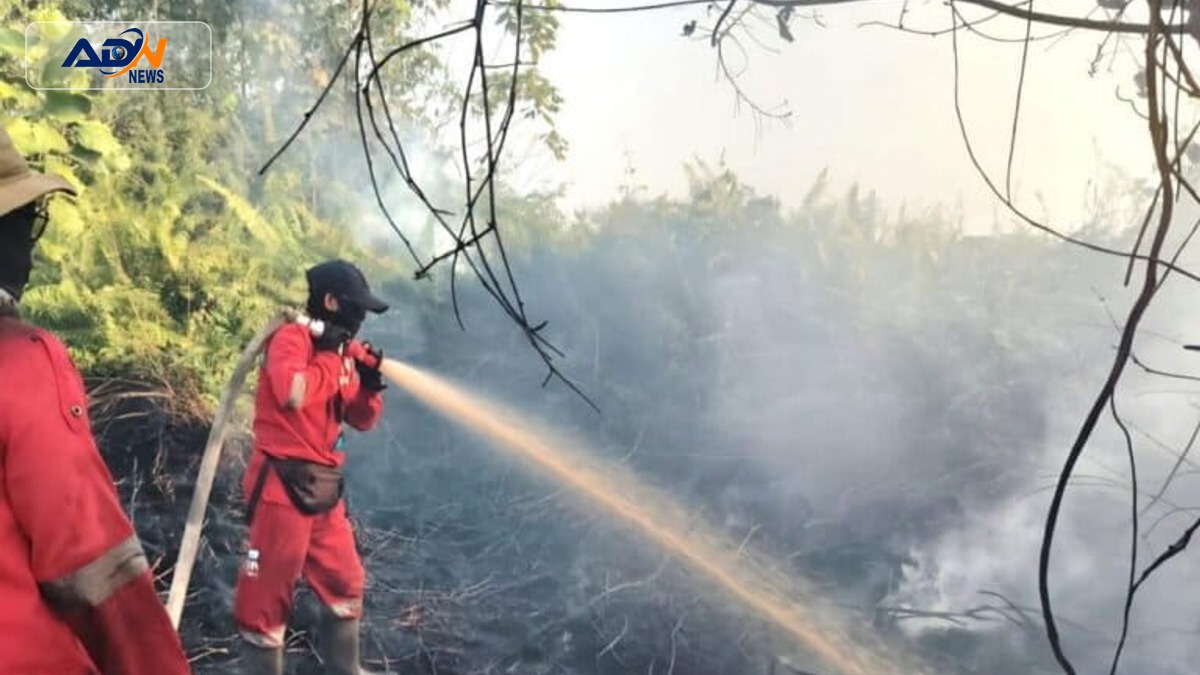
JAKARTA: The Indonesian government has come under severe public and international scrutiny following what environmental experts and civic watchdogs describe as an ineffective, recurring failure to tackle widespread forest fires and suffocating transboundary haze. Environmentalists have condemned the administration’s slow response and continued reliance on superficial enforcement measures as seasonal blazes once again sweep across degraded peatlands in Sumatra and Kalimantan, blanketing regional air basins in toxic particulate matter.
Independent researchers and non-governmental organisations have openly voiced outrage over authorities downplaying satellite fire alerts while failing to penalise agribusinesses that systematically deploy fire to clear agricultural land. Activists argue that the government’s periodic crackdowns remain toothless, focusing disproportionately on smallholder farmers rather than corporate plantation operators holding concessions on carbon-dense peat soils. Public health clinics across affected provinces have reported an alarming surge in acute respiratory infections, compounding demands for structural accountability from Jakarta.
Beyond immediate ecological destruction, the resurgent haze crisis threatens severe diplomatic frictions within the Association of Southeast Asian Nations (ASEAN), as toxic smoke drifts across borders into neighbouring Malaysia and Singapore. The recurring environmental emergency highlights entrenched regulatory loopholes, where local patronage networks often shield major agricultural conglomerates from environmental sanctions, frustrating broader climate pledges to reduce greenhouse emissions under international treaties.
Regional environmental coalitions and civil society groups are now preparing legal interventions to compel regional administrations to enforce statutory fire-prevention protocols and publish complete concession maps. With dry conditions predicted to persist, independent monitoring agencies warn that without immediate, transparent enforcement actions against corporate violators, air quality across Southeast Asia will deteriorate to unprecedented, hazardous thresholds in the coming weeks.