
Indonesia’s Fires Challenge Singapore’s Anti-Haze Law Enforcement Efforts
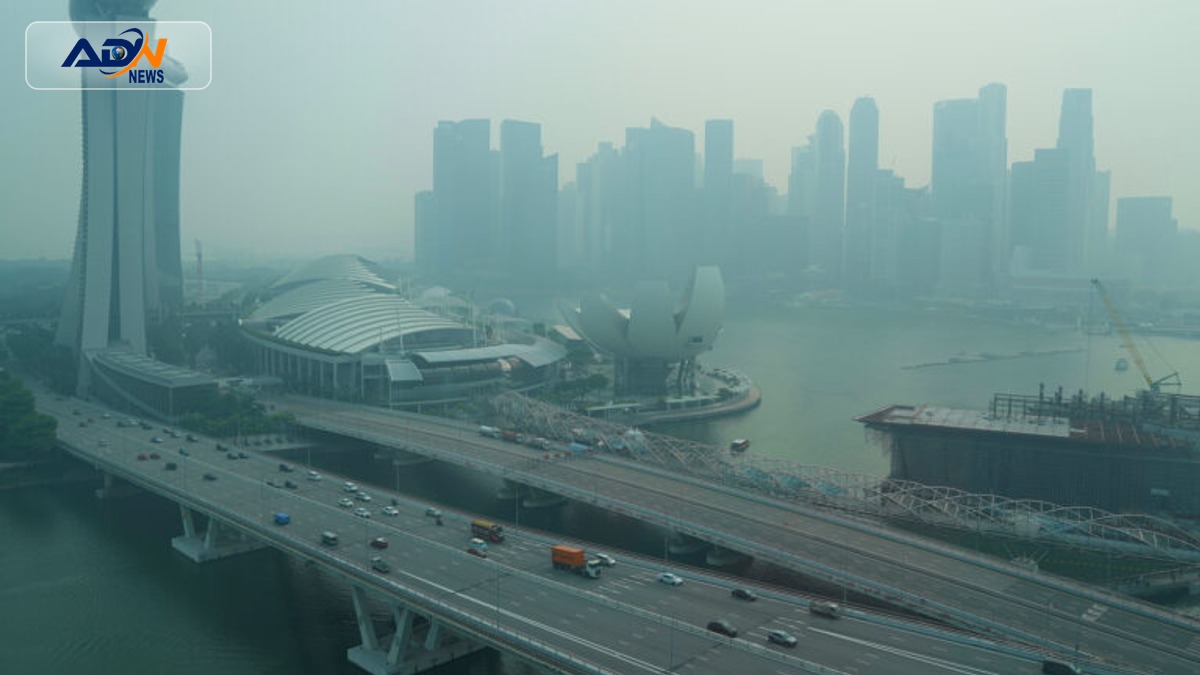
SINGAPORE: Indonesia’s ongoing forest fires are testing the effectiveness of Singapore’s anti-haze law, which aims to mitigate the impact of transboundary haze pollution. The fires, primarily caused by land clearing for agriculture, have raised concerns about air quality and public health in Singapore, particularly during the dry season.
Officials in Singapore have expressed frustration over the lack of enforcement mechanisms in the anti-haze law, which was enacted in 2014. The law allows for penalties against companies responsible for causing haze but has seen limited success in holding Indonesian firms accountable. Singapore’s Environment Minister has called for stronger regional cooperation to address the issue, emphasizing the need for Indonesia to take more decisive action against the fires.
The implications of these fires extend beyond environmental concerns; they affect regional relations and public health. Singaporeans have reported increased respiratory issues during haze episodes, prompting calls for more stringent measures. The situation also puts pressure on ASEAN nations to collaborate more effectively on environmental governance and disaster response.
Looking ahead, Singapore is expected to engage in discussions with Indonesian authorities and ASEAN partners to enhance cooperation on haze management. The upcoming ASEAN summit may provide a platform for addressing these challenges and exploring solutions to prevent future occurrences of haze pollution.