
Iqbal’s Legacy: A Poet’s Impact on Muslim Identity in South Asia
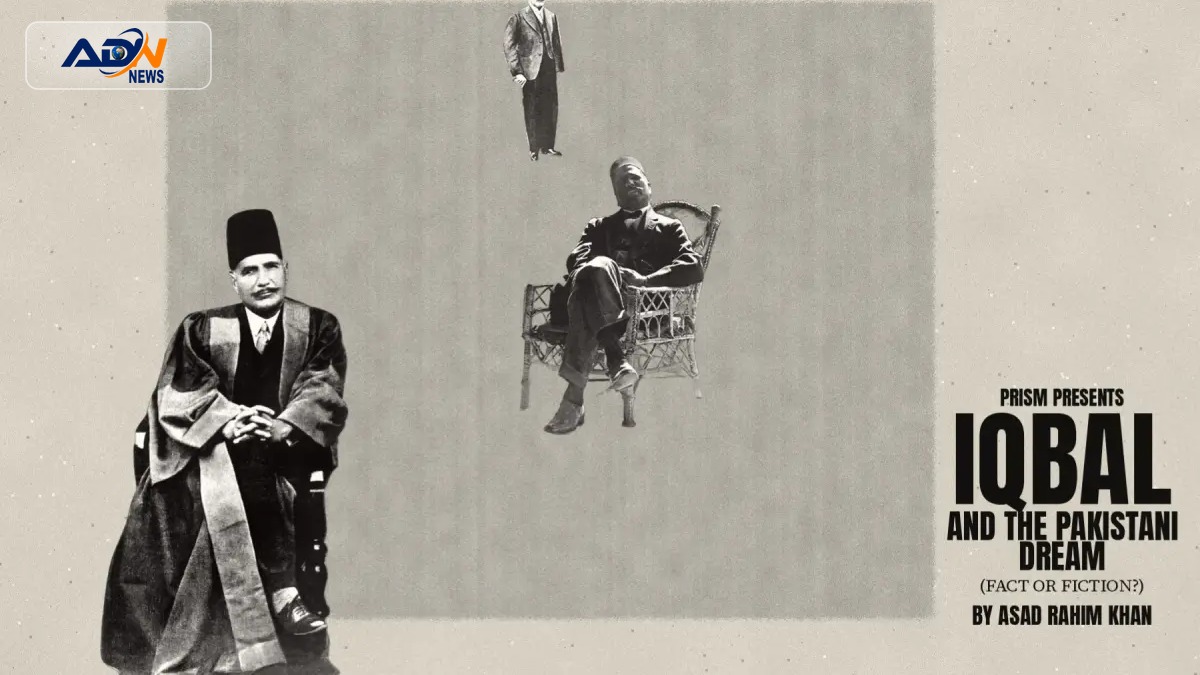
LAHORE: The enduring legacy of poet-philosopher Allama Iqbal continues to evoke deep emotional responses among scholars and citizens alike, as highlighted by Indian essayist Pankaj Mishra’s recent reflections on Iqbal’s influence. During a visit to Srinagar, Mishra encountered Dr. Mohammad Ishaq Khan, a historian who, despite his academic detachment from politics, was moved to tears at Iqbal’s tomb in Lahore, illustrating the poet’s profound impact on Muslim identity in the subcontinent.
Mishra notes that while many Indians view Iqbal as a controversial figure, his ability to inspire hope among Muslims remains significant. Dr. Khan’s emotional reaction underscores the poet’s role in offering a vision of redemption and statehood that resonates even decades after his death. Mishra concludes that the emotional connection to Iqbal’s work transcends political debates, emphasizing the poet’s lasting relevance.
This discourse around Iqbal’s contributions is particularly pertinent as social media platforms reignite discussions about his vision for Muslim statehood. The emotional resonance of Iqbal’s poetry suggests that his ideas continue to shape the aspirations and identities of Muslims in the region, fostering a sense of community and hope amidst historical grievances.
As conversations about Iqbal’s legacy evolve, scholars and citizens alike are encouraged to engage in further exploration of his work. Upcoming literary events and discussions are expected to delve deeper into Iqbal’s philosophy and its implications for contemporary society, ensuring that his message remains alive in public discourse.