
Jaguarundi’s Visibility Masks Alarming Decline in Population Numbers
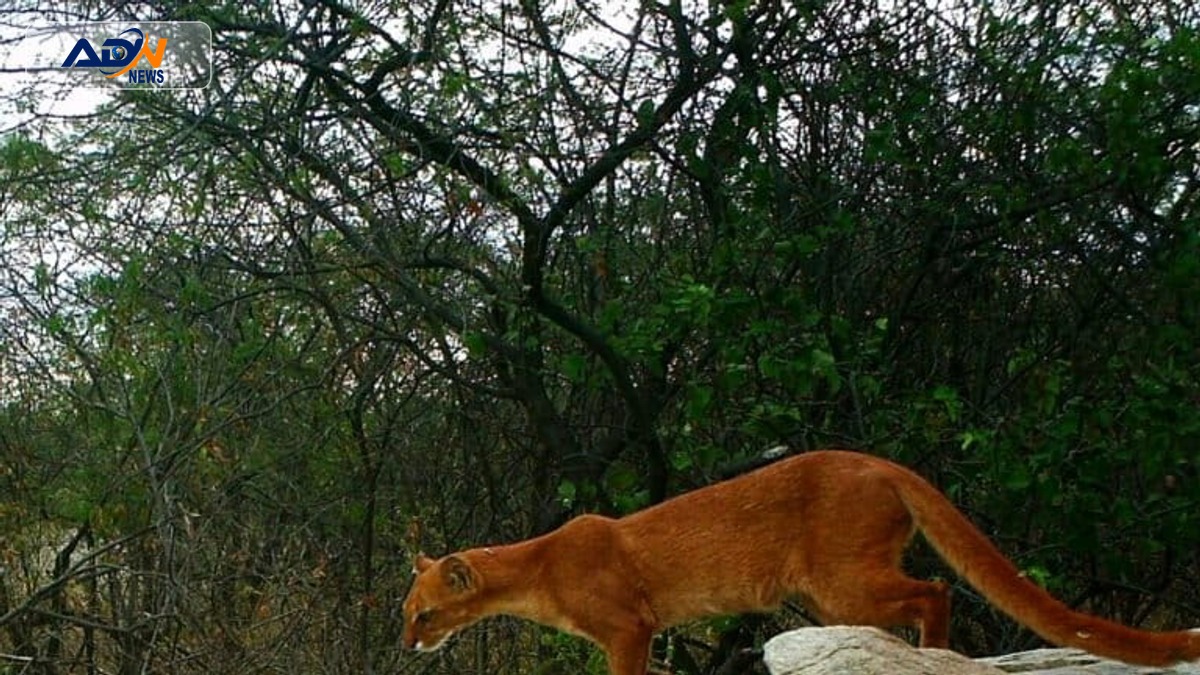
WASHINGTON: The jaguarundi, a small wild cat native to the Americas, is facing a significant population decline despite its relatively easy visibility in the wild. Recent studies reveal that this elusive feline, often mistaken for a domestic cat, is experiencing threats from habitat loss and environmental changes.
Researchers have noted that while the jaguarundi is frequently spotted in various regions, its numbers have dwindled due to urban expansion and deforestation. Conservationists emphasize the need for immediate action to protect this species, which plays a crucial role in maintaining ecological balance. “The jaguarundi’s visibility may have led to complacency regarding its conservation status,” said Dr. Emily Carter, a leading wildlife biologist.
This decline raises concerns not only for the jaguarundi but also for the broader ecosystem. As apex predators, their reduction could disrupt local wildlife populations, leading to unforeseen consequences in biodiversity. The jaguarundi’s plight underscores the urgent need for enhanced conservation efforts and public awareness about the importance of preserving natural habitats.
In response to these findings, wildlife organizations are planning a series of initiatives aimed at habitat restoration and community engagement. Upcoming meetings will focus on developing strategies to mitigate habitat loss and promote sustainable land use practices. The jaguarundi’s future hangs in the balance, and immediate action is essential to ensure its survival.