
Kashmir Faces Water Crisis as Springs Dry Up, Urgent Action Needed
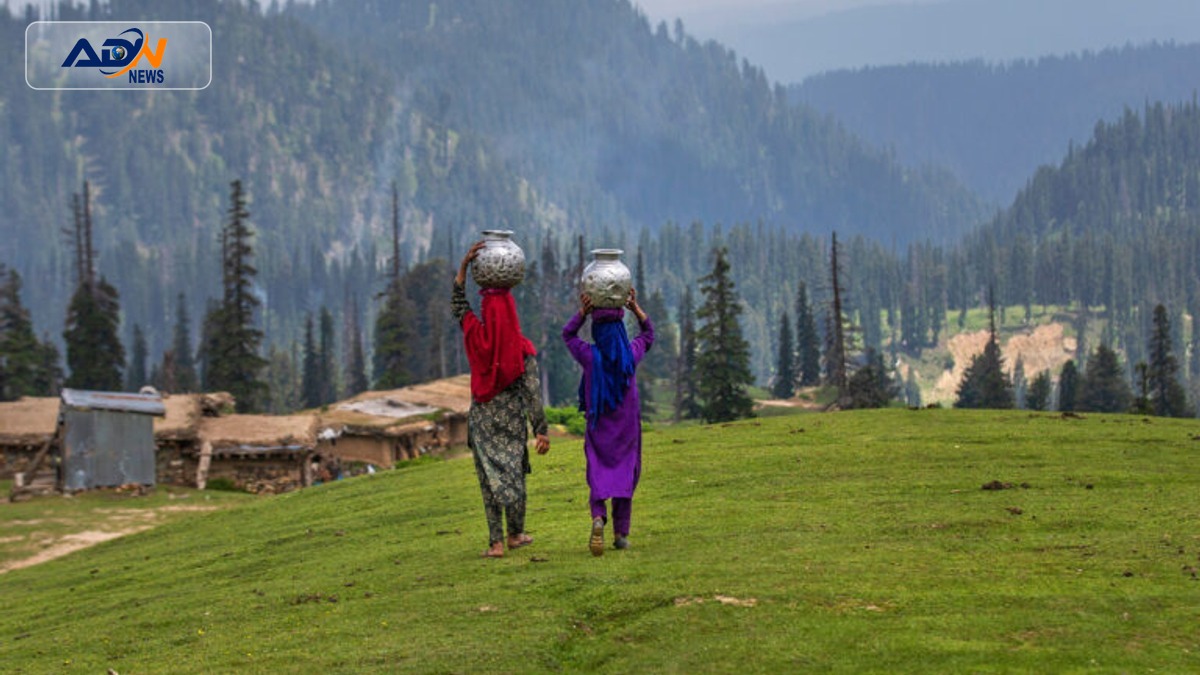
ISLAMABAD: Scientists warn that the springs of Kashmir are rapidly drying up, posing a significant threat to the region’s water supply and ecosystem. This alarming trend is attributed to climate change and unsustainable land use practices, necessitating immediate action to preserve these vital water sources.
Recent studies highlight that the springs, which are crucial for both agriculture and drinking water, are diminishing at an unprecedented rate. Experts emphasize that without intervention, the consequences could be dire for local communities and biodiversity. “We must act now to protect these springs, as they are the lifeblood of our environment,” stated Dr. Amina Khan, a leading environmental scientist.
The drying of Kashmir’s springs not only affects the immediate water supply but also has broader implications for agriculture, local economies, and the health of the region’s ecosystems. As water scarcity increases, farmers may struggle to irrigate their crops, leading to food insecurity and economic instability.
In response to this crisis, environmental groups are calling for a series of initiatives aimed at restoring and conserving these springs. Upcoming meetings among local stakeholders and government officials are expected to focus on sustainable land management practices and the implementation of conservation strategies.