
Lahore Gymkhana: From Colonial Roots to Modern Social Hub
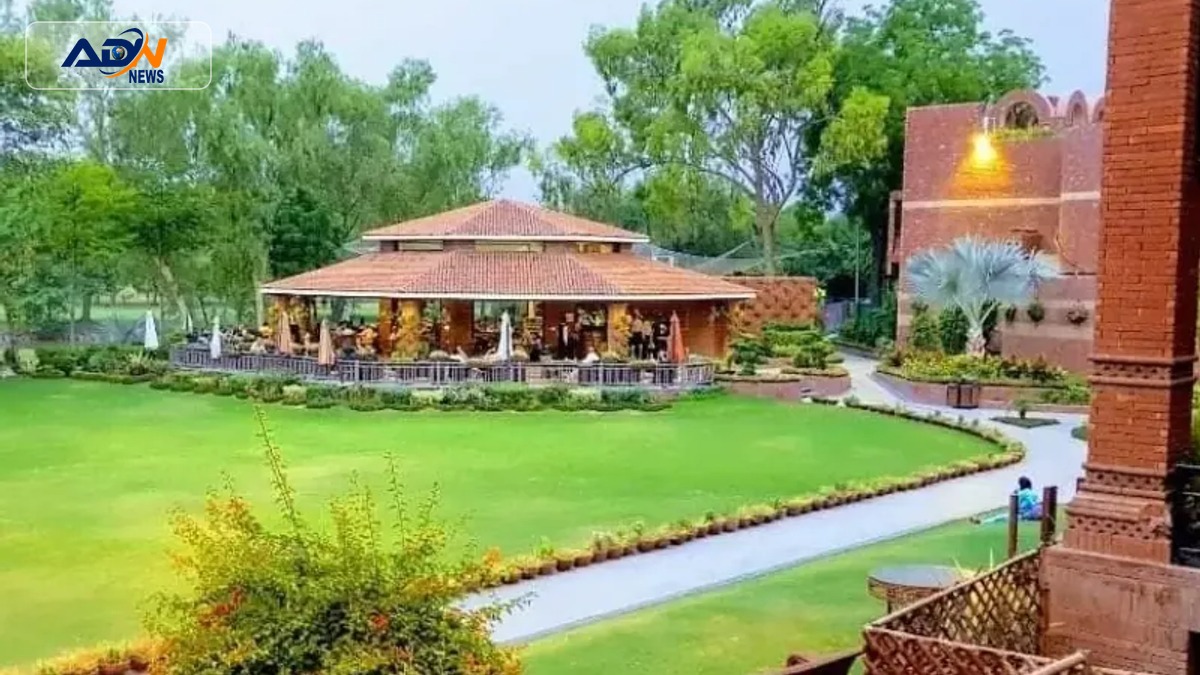
LAHORE: The Lahore Gymkhana, established on March 23, 1906, stands as a testament to the complex legacy of colonialism in India. Originally created as an exclusive space for British civil and military officials, the Gymkhana reflects the social architecture of colonial rule, where networks were cultivated, and racial distinctions preserved.
The exclusion of Indians from these establishments underscored a belief in the superiority conferred by political domination. This historical context warrants unequivocal condemnation, yet it also raises questions about the evolution of such institutions over time. As societies change, so too can their institutions, which can adapt and transcend their origins.
Despite the dismantling of the colonial order following Partition in 1947, Lahore Gymkhana has persisted, gradually integrating into the fabric of civilian life in independent Pakistan. Its survival and adaptation highlight the potential for institutions to evolve beyond their colonial beginnings, fostering inclusivity in a diverse society.
Looking ahead, discussions surrounding the Gymkhana’s role in contemporary Pakistani society are likely to continue, as it navigates its historical legacy while striving to remain relevant in a modern context. The ongoing dialogue about its colonial roots and current function may prompt further reforms aimed at inclusivity and representation.