
Lahore’s PM2.5 Levels Soar Eight Times Above WHO Guidelines, Report Reveals
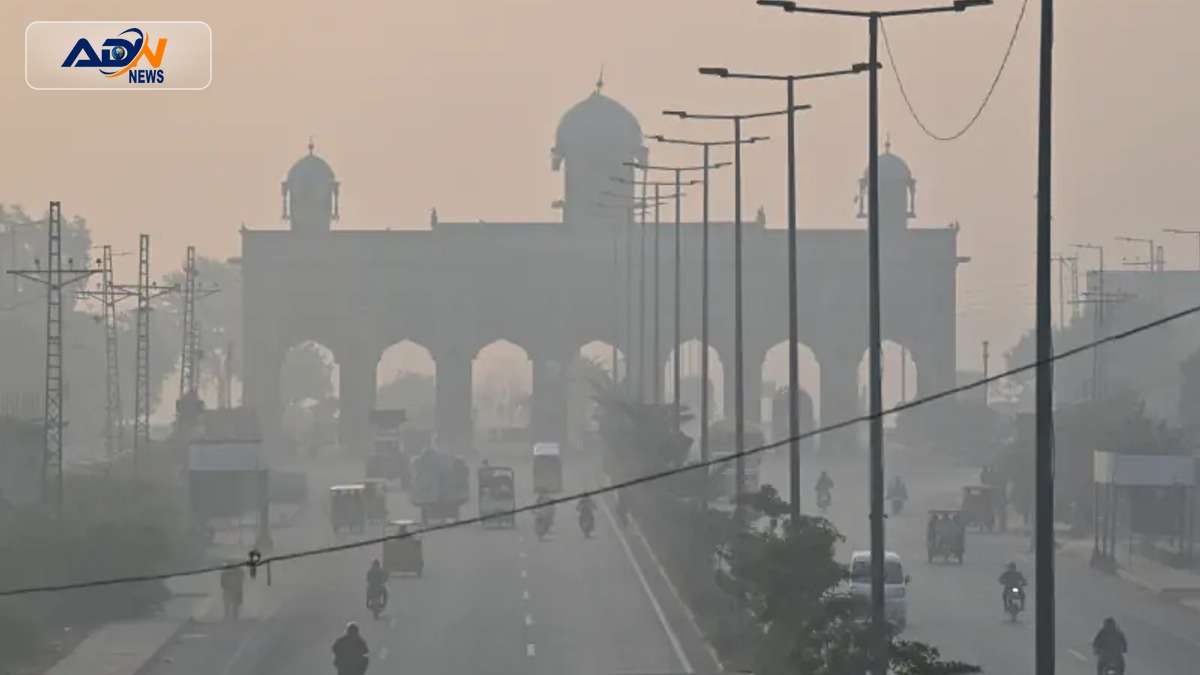
LAHORE: A recent report by the Pakistan Air Quality Initiative (PAQI) has revealed alarming air quality levels in Lahore, with the city’s average PM2.5 concentration reaching 126 micrograms per cubic meter—eight times higher than the World Health Organization’s (WHO) recommended guidelines. The report, released on Tuesday, highlights the detection of 16,714 likely crop-residue fires in Punjab between October 1 and November 9, raising concerns about the ongoing pollution crisis.
The report indicates that the number of crop-residue fires in Punjab has remained consistent with the previous year, despite the significant rise in air pollution levels. The PM2.5 concentration exceeded the 24-hour National Environmental Quality Standards (NEQS) on all 40 days for which valid data were available, marking a concerning trend for public health.
This surge in pollution levels poses serious implications for the residents of Lahore, who are already grappling with health issues linked to poor air quality. Experts warn that prolonged exposure to such high levels of PM2.5 can lead to respiratory diseases and other health complications, further straining the healthcare system.
In light of these findings, environmentalists and health officials are calling for immediate action to address the sources of pollution, including stricter regulations on crop burning and public awareness campaigns. The government is expected to convene discussions on potential measures to mitigate air quality issues in the coming weeks.