
LinkedIn Clamps Down on Low-Quality AI Comments in Feeds Overhaul
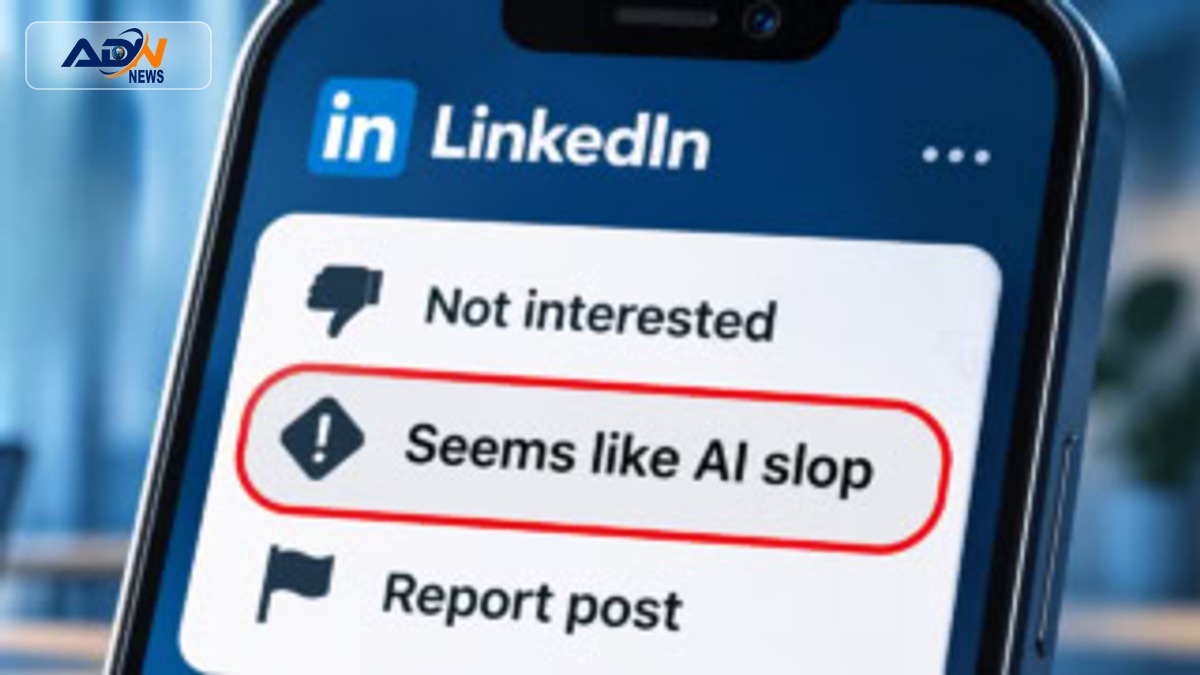
SAN FRANCISCO: Professional networking giant LinkedIn has deployed an aggressive overhaul of its comment detection and ranking algorithms, directly targeting low-quality, artificial intelligence-generated replies across user feeds to preserve authentic professional discourse. The platform’s coordinated intervention aims to systematically demote automated generic responses—frequently dubbed “AI slop”—that have increasingly cluttered public posts and diluted substantive discussions worldwide.
Announcing the strategic enforcement update, LinkedIn Chief Product Officer Hari Srinivasan confirmed that the revised technical framework identifies automated patterns and suppresses artificial commentary beneath genuine human interactions. Internal telemetry from initial testing indicates that the algorithmic modifications have already triggered a decline of more than 20 percent in views for flagged synthetic responses, dealing a notable blow to engagement-farming accounts and automated plug-ins.
The exponential surge of generative artificial intelligence and large language models has triggered severe digital hygiene challenges across social platforms, incentivizing users to automate generic compliments and superficial feedback to game feed algorithms. For professional communities relying on LinkedIn for recruitment, industry knowledge sharing, and business networking, the unchecked expansion of repetitive AI platitudes has threatened the core value proposition of the Microsoft-owned network.
As digital networks battle evolving synthetic text manipulation, LinkedIn indicated it will continually update its internal detection models to counter sophisticated bot extensions and coordinated engagement rings. Industry observers anticipate that rival social media enterprises will soon adopt comparable suppression measures, marking a decisive shift away from vanity engagement metrics toward verifiable human-driven interaction.